
⚠️ REGULATORY NOTICE FOR ANGLERS
In-season fishery closures, quotas, and gear restrictions change frequently. Always consult the official BC Tidal Waters Sport Fishing Guide and active DFO Fishery Notices before heading out on the water.
If you have seen headline rumors or dockside chatter about proposed BC sport fishing regulation updates, take a deep breath. On July 4th, Fisheries and Oceans Canada (DFO) published a comprehensive package of proposed regulatory amendments in Part I of the Canada Gazette. While dense regulatory filings can easily spark concern, the reality is that the vast majority of this filing isn’t a wave of brand-new restrictions—it is routine legal housekeeping that formalizes practices West Coast anglers have already been following for years.
To help clear up confusion on the water, here is a grounded, angler-first breakdown of what this Gazette filing actually represents, where the legal fine print needs careful attention, and the fundamental questions it raises about how DFO consults with the recreational fishing community.
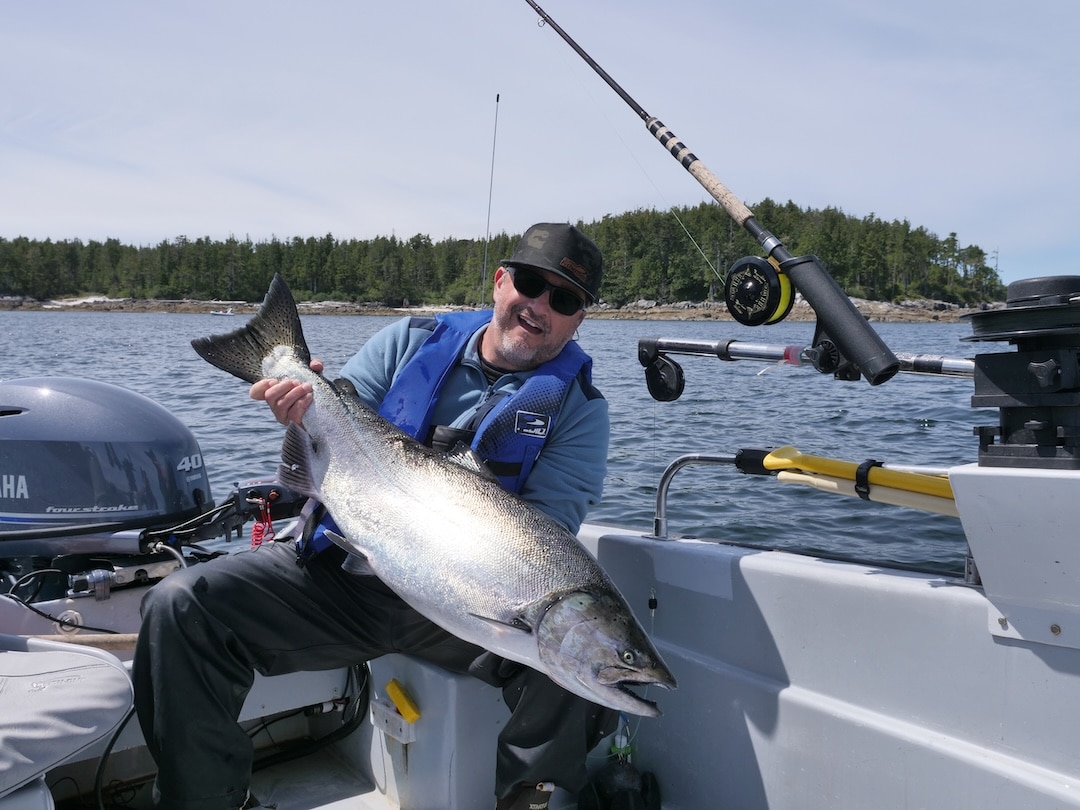
Most proposed BC sport fishing regulation updates in the Canada Gazette simply convert long-standing licence conditions into permanent law.
Demystifying the Gazette: Converting Practice Into Permanent Law
Think of the Canada Gazette as the official public registry where the federal government publishes proposed legislative changes before they take effect. Publishing in Part I initiates a mandatory 30-day public comment window (ending August 3, 2026 at 11:59 pm EDT) before regulations are finalized.
When examining proposed BC sport fishing regulation updates in Part I of the Gazette, the primary goal is cleaning up administrative clutter. The British Columbia Sport Fishing Regulations, 1996 (BCSFR) have not had a major structural overhaul in thirty years. To adapt to modern management over the last three decades, DFO relied on attaching pages of temporary “conditions of licence” (CoLs) to our annual tidal water licenses (that extra page that must be carried with your licence). This Gazette filing simply transfers those long-standing, vetted licence conditions directly into permanent federal regulation.
Summary of Proposed BC Sport Fishing Regulation Updates
Because most of these measures reflect established best practices and existing licence requirements, day-to-day fishing on the water will remain virtually identical for responsible anglers:
| Fishery / Topic | Proposed BCSFR Amendment | Practical Reality for Anglers |
|---|---|---|
| Mandatory Descending Devices | Mandates a functioning descending device on board all vessels angling in tidal waters; requires releasing un-retained rockfish at depth. | No Change: Has been an active licence condition since 2020. Most anglers already keep a device rigged on board. |
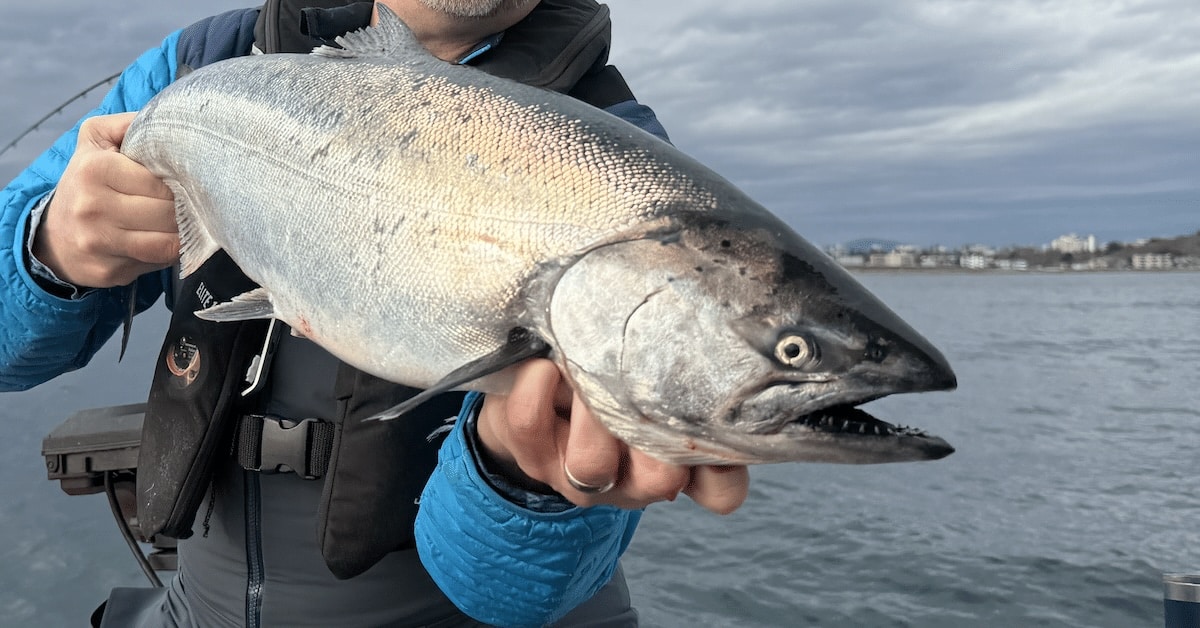
| Salmon Pectoral Sizing | Formally embeds pectoral length (head-off) sizing equivalents into regulations for Chinook and coho catch limits. | No Change: Used since 2022 to support field processing (filleting/heading at sea) and the Salmon Head Recovery Program. |
| Halibut Management | Consolidates halibut rules (10/year annual limit, daily quotas, pectoral sizing, and immediate catch recording) into Part II.1 of the BCSFR. | No Change: Standardizes longstanding annual permit conditions into a clean, permanent legal structure. |
| Species-Level Additions | Adds specific rockfish, tuna, squid, and clam species to regulatory schedules instead of broad family groupings. | Administrative: Allows DFO to manage specific stocks (like Opal vs. Humboldt squid) rather than entire family levels. |
| Enforcement & Fines | Transfers BCSFR infractions to the Contraventions Act, allowing immediate ticketing while “rescoping fine amounts.” | Enforcement Shift: Streamlines ticketing for officers, but increases risk of higher instant fines for minor paperwork or gear oversights. |
Writing the mandatory use of descending devices into permanent regulation solidifies a major conservation win for West Coast rockfish. Barotrauma can be fatal to rockfish, but returning them to depth prevents organ damage and supports sustainable bottomfish stocks without restricting public fishing access. Keep in mind that failing to have one on board carries heavy potential fines.
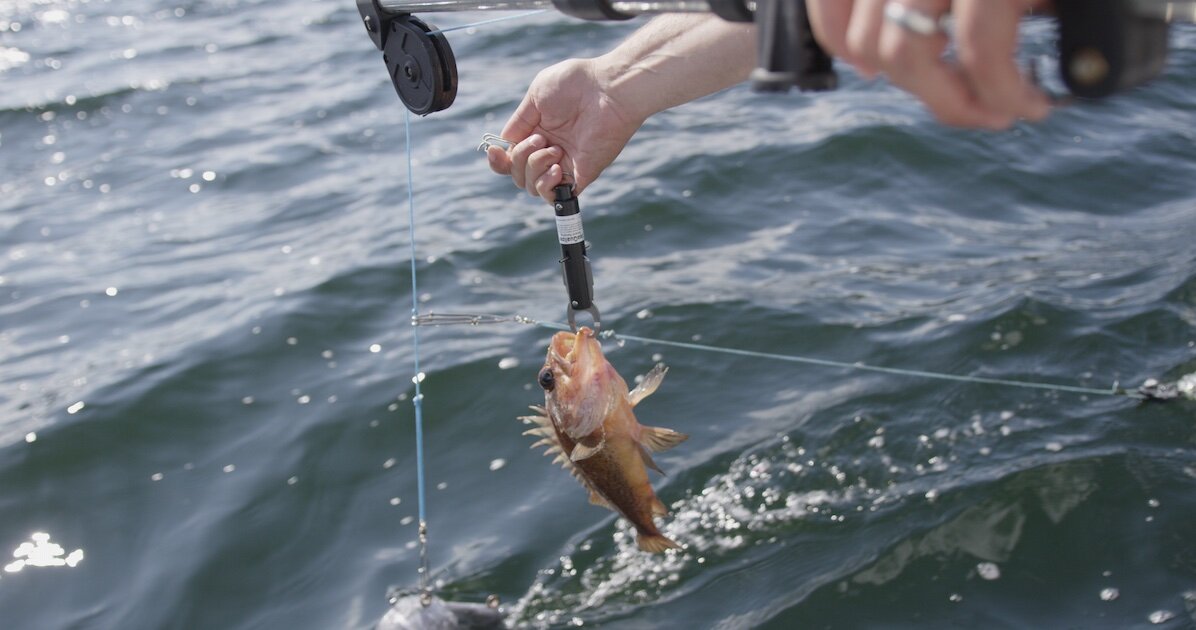
Descending devices are a proven conservation tool that West Coast anglers have used responsibly under licence conditions for years.
Editorial Analysis: The Fine Print and The Consultation Disparity
1. The Fine-Print Trap: Rigid “Artificial Fly” Definitions
While most of this package represents clean housekeeping, the fine print of government legal drafting can occasionally create unintended consequences. The primary area of concern in this filing centers on the updated definition of an “artificial fly” in non-tidal waters.
The proposed text under Section 1(2) restricts an artificial fly to a single hook dressed strictly with fur, feathers, hair, textiles, tinsel, or wire, explicitly prohibiting any “external weight or external attracting device — such as a molded weight, weighted jig head, spinner, spoon or similar device.”
We can only guess that when provincial advisory bodies reviewed gear definitions with DFO, the high-level intent was simply to keep conventional weighted hardware off fly-only waters. However, government lawyers drafted a rigid prohibition against “molded weights.” This specific language risks creating a legal fine-print trap—potentially outlawing common, standard fly patterns like tungsten bead-head nymphs, molded dumbbell-eye streamers, or weighted jig-flies on fly-only streams. It is a prime example of why detailed regulatory text must be scrutinized during the consultation period.
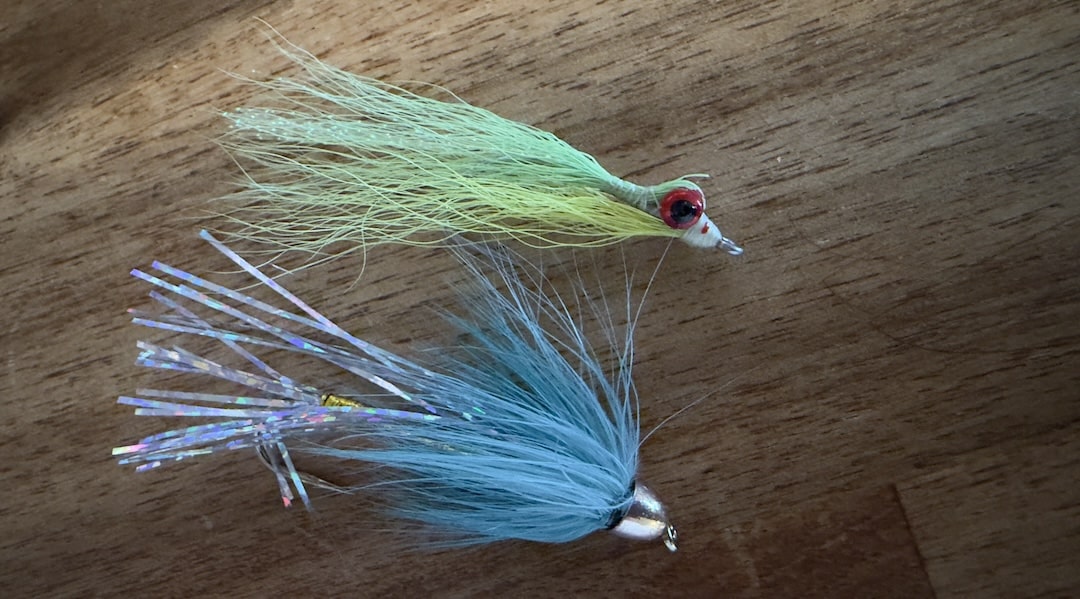
Popular weighted salmon flies featuring molded dumbbell eyes and bead heads. Rigid legal drafting in proposed BC sport fishing regulation updates could inadvertently outlaw common weighted fly patterns like these on fly-only waters.
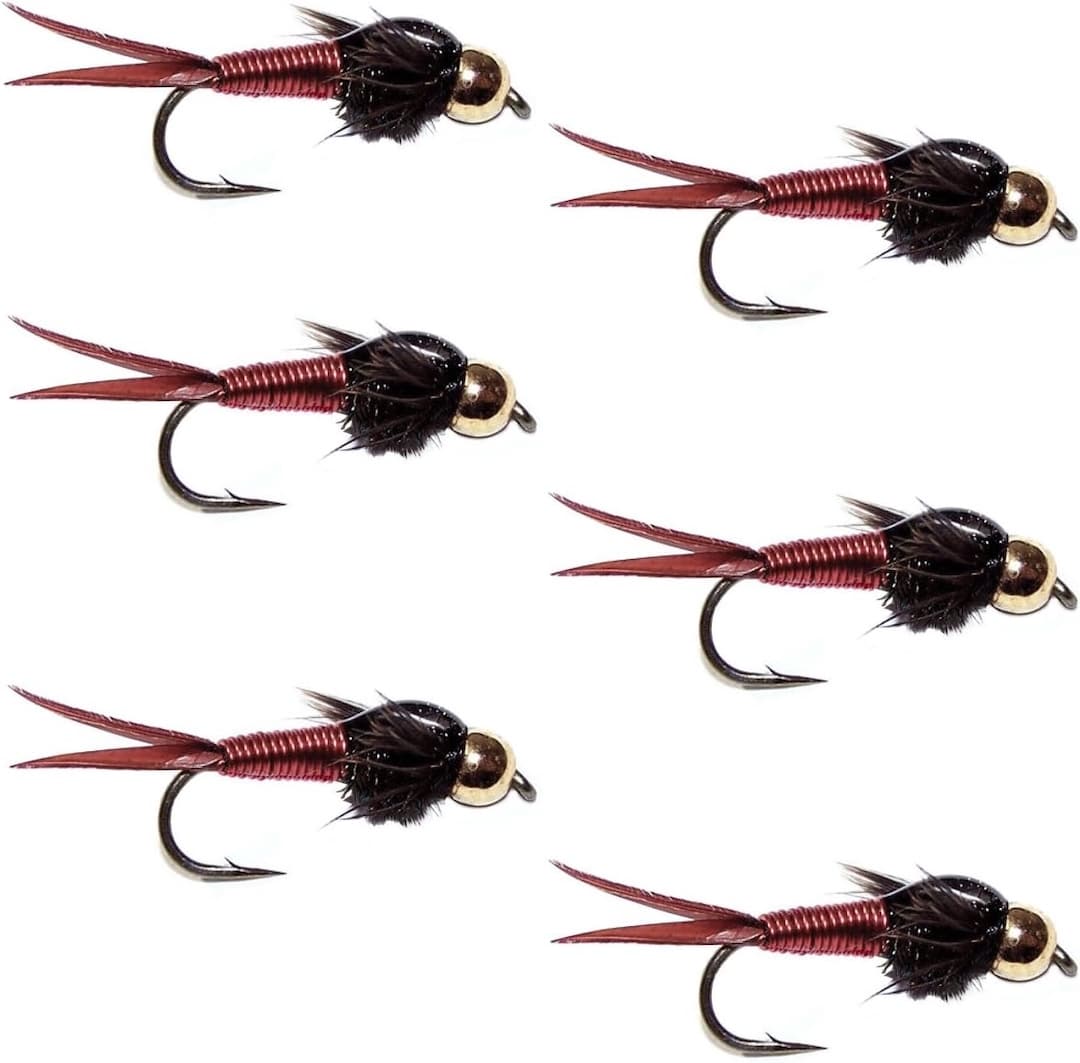
Tungsten bead-head Red Copper John nymphs are a staple pattern across BC. Overly rigid legal definitions restricting external weights on “artificial flies” could create unintended grey areas for standard bead-head patterns like these.
2. The Peak-Season Consultation Window
Another point of friction is timing. DFO published this 30-day feedback window on July 4th, with comments closing August 3rd. Dropping a consultation period in peak July isn’t necessarily a sinister conspiracy—it is simply sheer bureaucratic thoughtlessness. Opening a feedback window when lodge owners, charter guides, and tackle shop staff are working 18-hour days on the water guarantees that coastal businesses have the least bandwidth to review complex legal text and respond.
3. The SFAB Disparity: Why Consult Here, But Blindsided Elsewhere?
Throughout the Gazette text, DFO repeatedly highlights its consultation with the Sport Fishing Advisory Board (SFAB), noting that specific committees—such as the Pelagic and Invertebrates Committee—and joint working groups were engaged to vet these housekeeping updates.
This detailed consultation process raises a critical question for every angler and business owner in British Columbia: If DFO recognizes the necessity of consulting the SFAB and Sport Fishing Institute (SFI) for routine regulatory cleanup, why were anglers and advisory bodies completely blindsided by sudden mid-season hook bans?
Dropping sudden rule shifts mid-season without consulting the SFAB or SFI creates financial chaos for coastal businesses while turning family fishing trips into legal minefields. Local tackle manufacturers and retail shops order inventory 12 to 18 months in advance. Wanting to alter gear specs or phase out treble hooks requires giving the industry a proper 12 to 18-month runway, rather than springing unexpected variation orders mid-summer.
🚨 REGULATORY UPDATE: DFO HOOK BAN 2026
Following last-minute administrative changes, DFO issued Fishery Notice FN0723—officially postponing the coastwide treble hook ban and 22 mm maximum hook-gap limit to September 1, 2026. Read the full breakdown of Variation Order 2026-GMB-294 and what it means for late-summer fishing in DFO Hook Ban Postponed: The Sept 1st Shell Game.
Conclusion: Staying Informed and Holding Policy-Makers Accountable
Ultimately, the proposed BC sport fishing regulation updates in the Canada Gazette represent a long-overdue modernization of 30-year-old administrative structures. For the vast majority of West Coast anglers, the rules on the water remain unchanged because we are already following them under our annual licence conditions.
The takeaway for our community is clear: we should not panic over routine housekeeping, but we must stay vigilant regarding legal drafting details (like freshwater fly definitions). More importantly, we must continue holding decision-makers accountable—demanding that DFO respects the established SFAB consultation framework for all future fishery changes, ensuring reasonable lead times, fair notice, and management rooted in sound science.
Keep your gear rigged, ensure your vessel has its descending device ready, and enjoy everything the BC coast has to offer this season.
📢 RESOURCE: DFO FISHERY NOTICES & EMAIL ALERTS
Because in-season regulation changes are posted online in real time, staying compliant means checking active variation orders, quotas, and area closures before heading out. Don’t rely on dock talk—get updates sent straight to your inbox by registering on the DFO Email Fishery Notice Registration Portal.
To search current active notices online anytime, visit the DFO Fishery Notices Search Portal.
About the Author & Island Fisherman Editorial Board
This analysis was published by Island Fisherman Magazine, British Columbia’s trusted voice in West Coast angling, marine conservation, and fishery policy since 1999. Reach out to us by visiting our Letters to the Editor Page.