

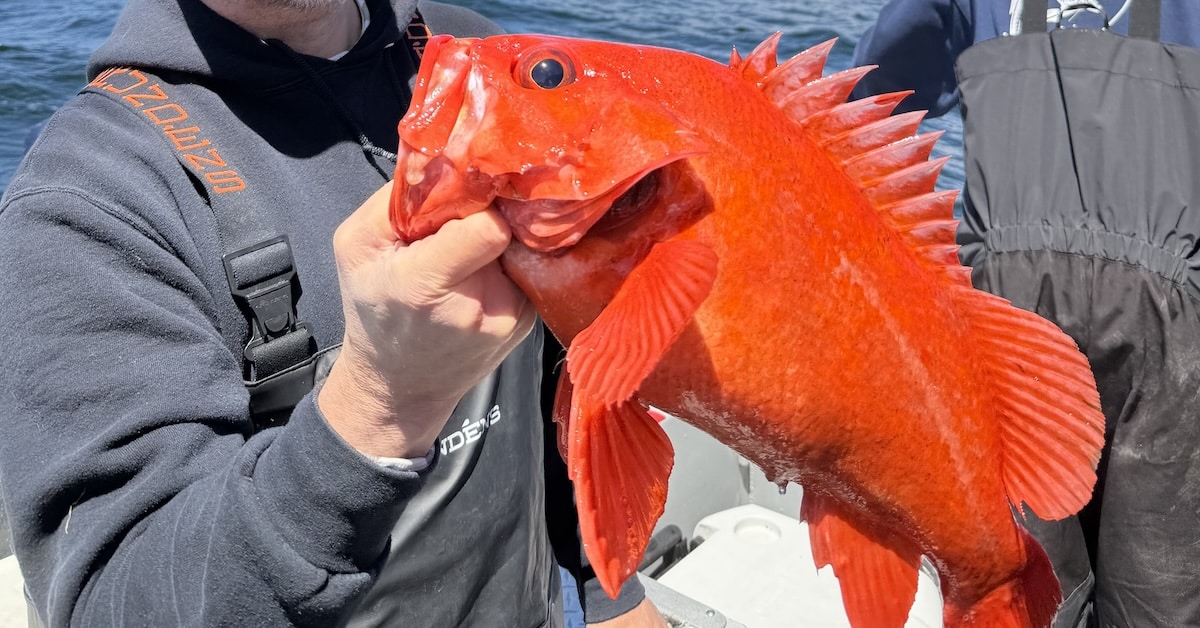
Knowing the correct rockfish sting treatment can mean the difference between a minor deck delay and an agonizing ordeal that ruins a trip.
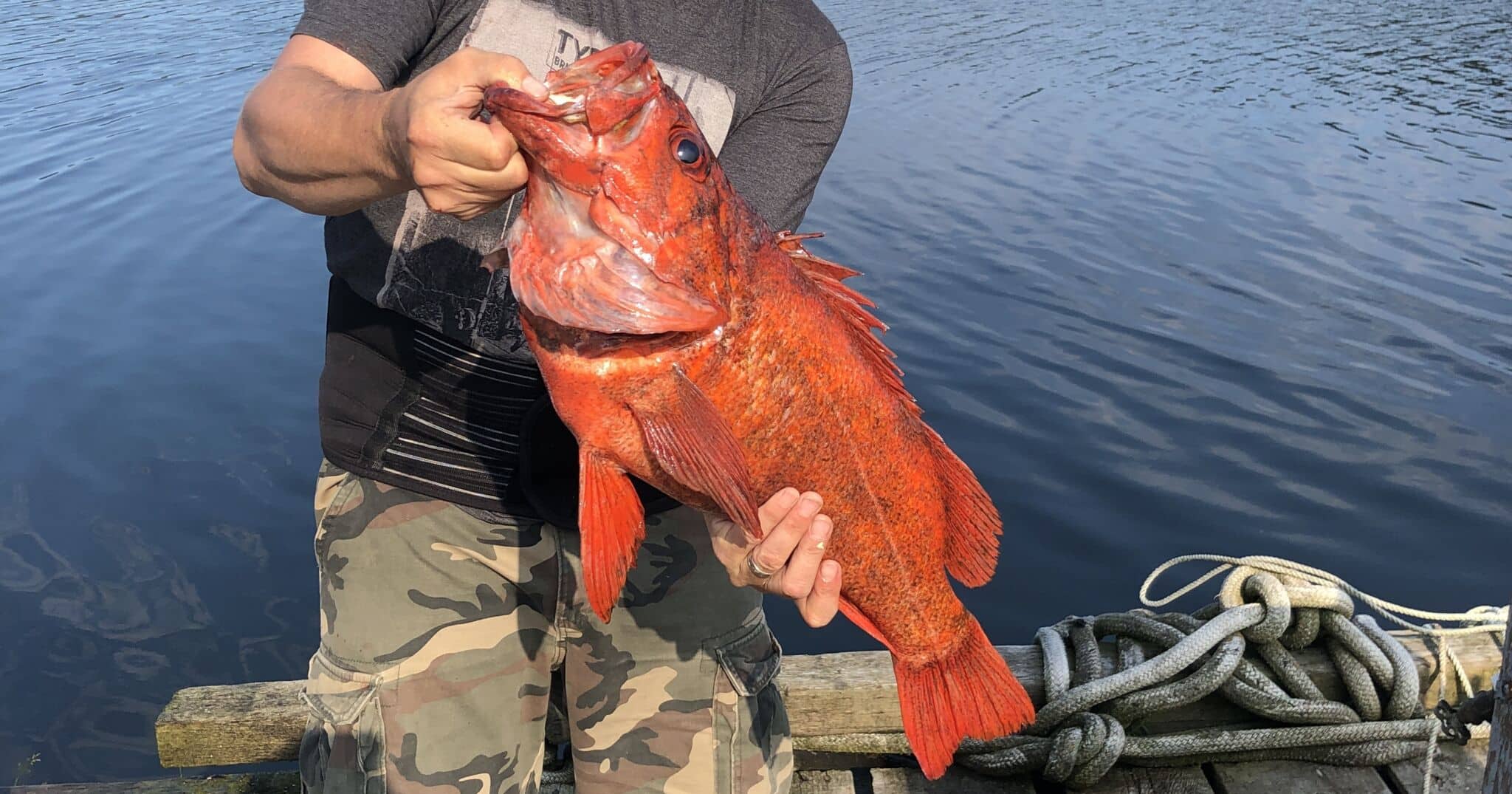
The Boot, The Poke, and The Pain: A Lesson from Esperanza Inlet
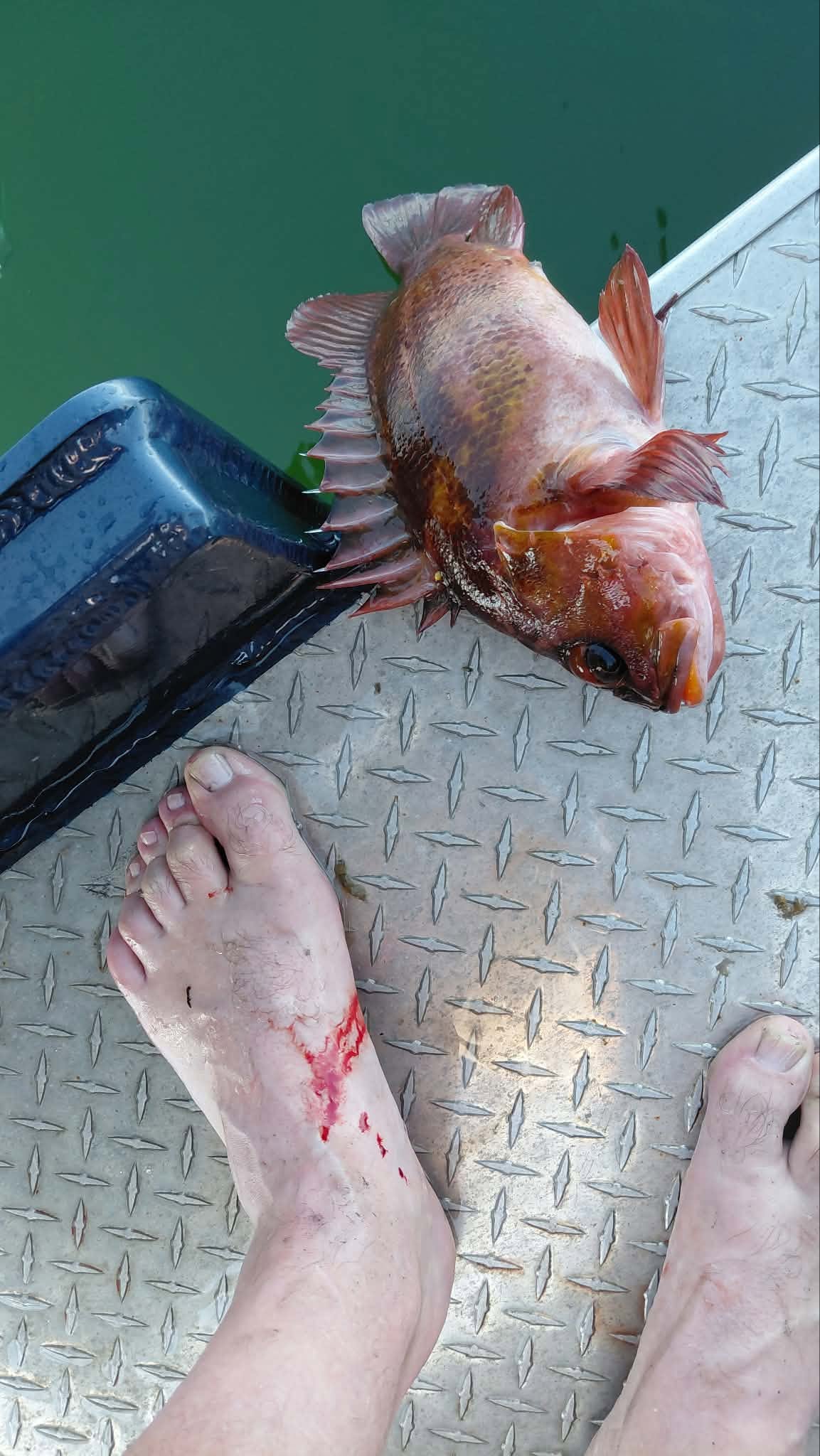
Recently, a friend, Pat Demeester, posted a picture of a very painful poke from a rockfish, and it served as a vivid reminder to share my own painful learning experience on the water.
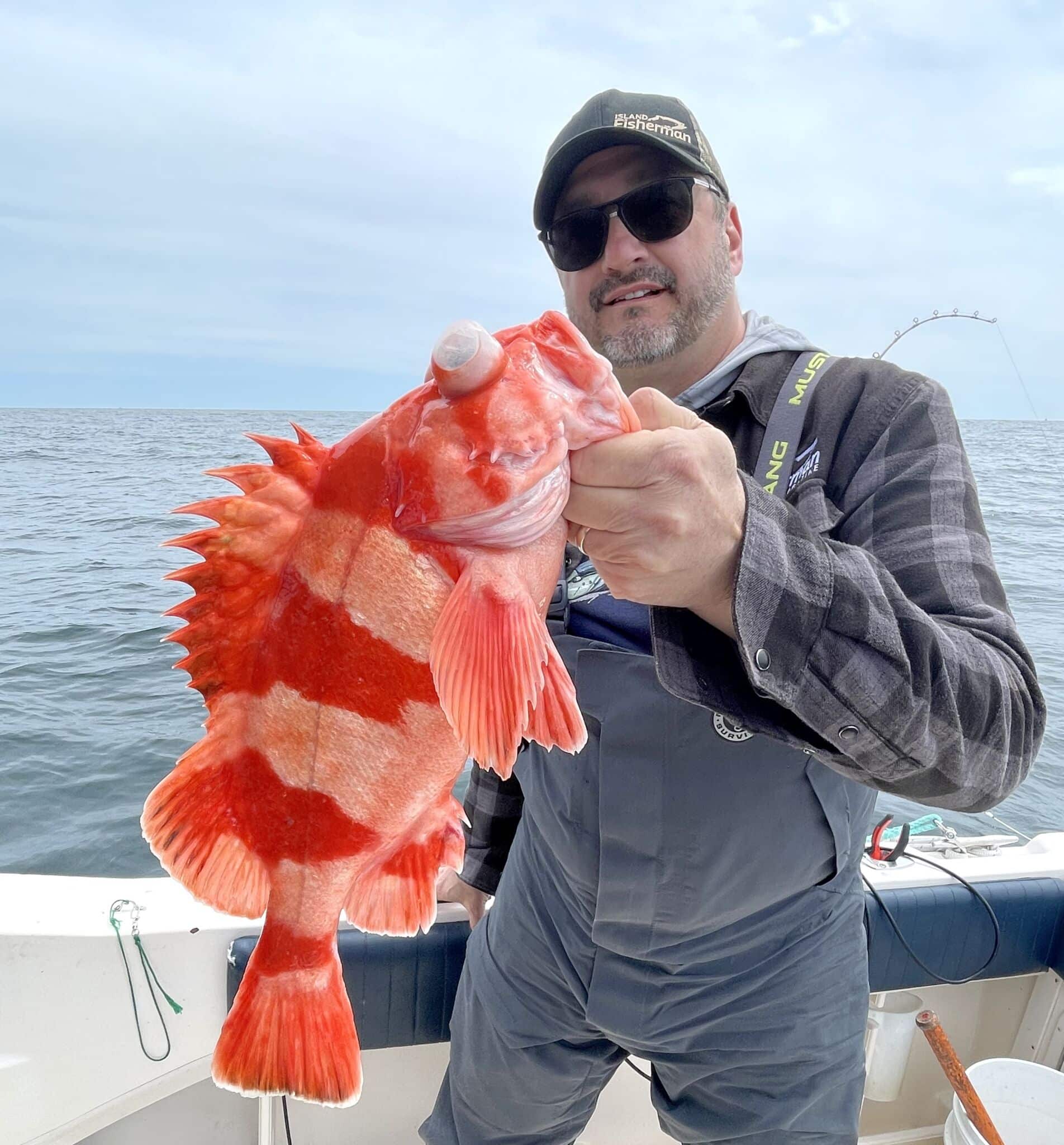
I learned this lesson the hard way while fishing out near Esperanza Inlet. The fishing was red hot—black bombers, vermilion, and quillback rockfish were coming over the gunwale quickly, and the deck was bobbing fast. Rather than reaching down to grab a fish properly (thumb in mouth on the lower jaw, like a bass), I decided to take what I thought was a quick shortcut: I used the heavy rubber side of my deck boot to nudge a thrashing rockfish across the floor and straight into the fish hold.
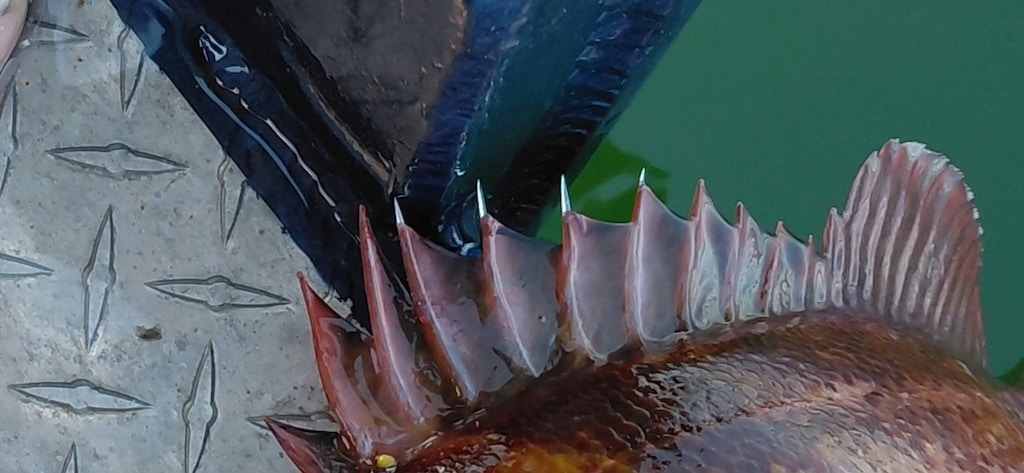
That lazy split-second decision was a massive mistake. A sharp dorsal spine drove straight through the side of my boot, punched through my heavy sock, and sank deep into my foot. Within seconds, an intense, throbbing heat spread across my entire foot. It wasn’t just a standard prick—it felt like liquid fire injected directly into tissue.
Like many anglers, I defaulted to pure instinct: I kicked off my boot and dangled my foot directly into the freezing Pacific Ocean, hoping the cold water would numb the pain. I sat on the gunwale for thirty minutes with my foot soaking in the salt, but every time I pulled my foot out, the throbbing fire barely nudged. That was when a fellow fisherman passed down a classic piece of marina folklore: “Pop the fish’s eye and squeeze the fluid onto the wound—it neutralizes the venom!” Desperate for relief, I tried it. It didn’t work at all.
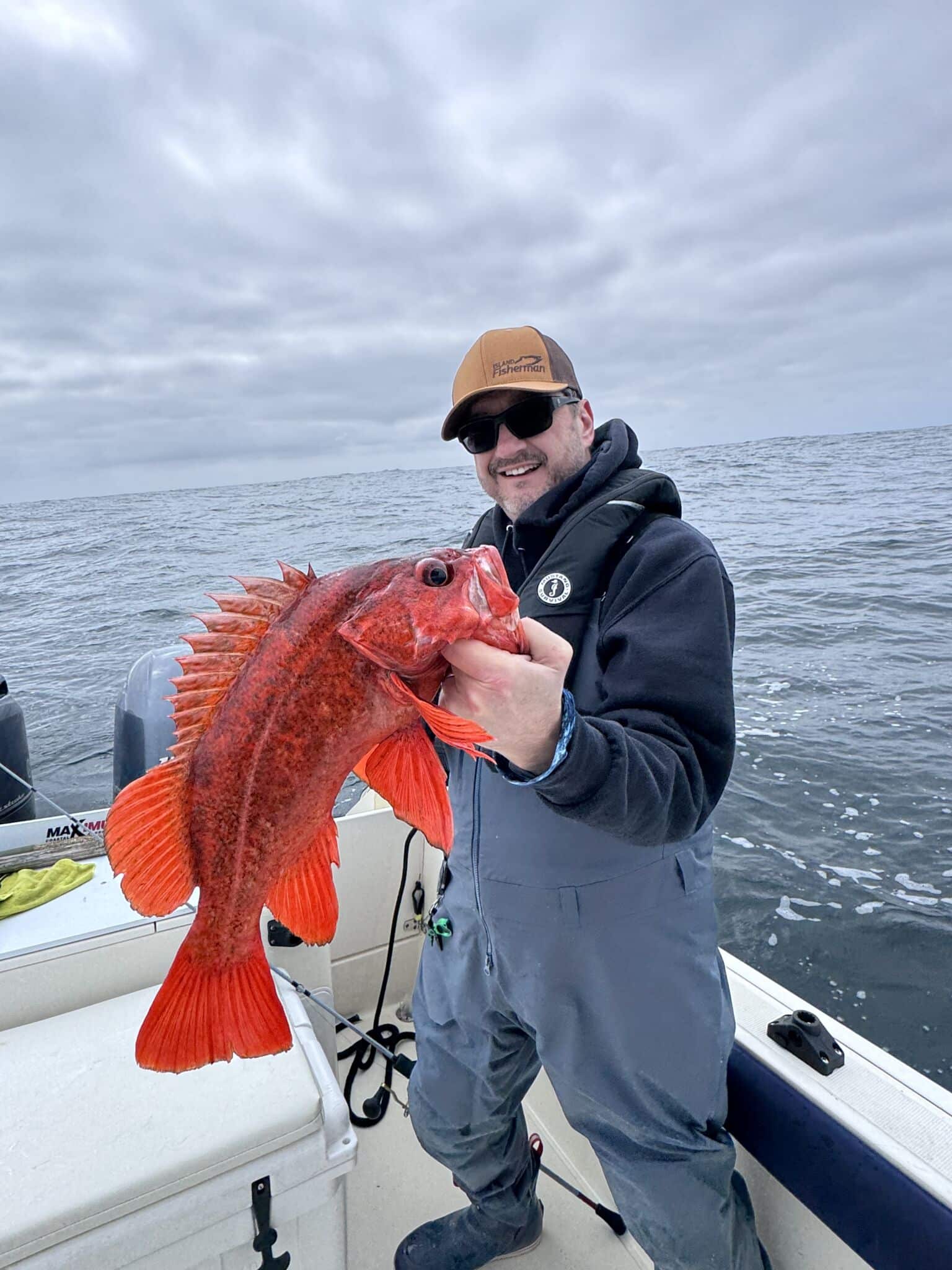
PRO ANGLER TIP: WHY LIP-GRIPPING ROCKFISH IS SAFE & EFFECTIVE
Unlike salmon or lingcod, which have sharp, canine-like tearing teeth, rockfish possess pads of tiny, sandpaper-like teeth (villiform teeth). They cannot bite off your thumb or cut your skin. Inserting your thumb firmly inside their lower jaw and clamping down on the lip gives you total mechanical control over the fish. It completely immobilizes their body, preventing sudden thrashes and keeping your hands far away from the dangerous dorsal, anal, and opercular (gill cover) spines.
Debunking 5 Common Rockfish First-Aid Myths
Docks and sport boats are full of well-meaning advice, but most DIY remedies for marine stings range from ineffective to downright dangerous. Here is the truth behind the five most common myths circulating on the docks:
Myth 1: Squeezing Liquid from a Rockfish Eye Neutralizes Venom
The Verdict: FALSE. The vitreous humor inside a rockfish’s eye consists almost entirely of water, collagen, and hyaluronic acid. It contains zero antivenom compounds, neutralizing enzymes, or chemical antidotes. Worse, squeezing fish eye fluid directly into an open puncture wound introduces dangerous marine bacteria (*Vibrio*, *Streptococcus*, or *Mycobacterium*) into deep tissue, drastically increasing the risk of severe infection.
Myth 2: Peeing on the Wound (The Urine Trick)
The Verdict: FALSE. Popularized by beach rumors and jellyfish tales, urinating on a rockfish sting does absolutely nothing. Urine is composed mostly of water and urea; it lacks the necessary heat to break down protein venom and lacks the chemical composition to neutralize it. Applying non-sterile fluid to an open puncture wound only increases the potential for infection.
Myth 3: Soaking in Cold Ocean Water or Icing It
The Verdict: INEFFECTIVE. As I found out in Esperanza Inlet, cold water may temporarily dull nerve endings, but it does not disable the toxin. Cold temperature leaves the complex venom proteins completely intact. As soon as you pull your foot or hand out of the cold ocean, the intense pain returns with full force because the active venom is still intact inside your tissue.
Myth 4: Pouring Whiskey or Alcohol on the Puncture
The Verdict: COUNTERPRODUCTIVE. While splashing rubbing alcohol or hard liquor might seem like a good dockside disinfectant, ethanol cannot penetrate deep enough into a narrow puncture wound to denature localized venom. Instead, raw alcohol burns and damages surrounding healthy tissue, aggravating inflammation and delaying the natural healing process.
Myth 5: Applying Vinegar or Acidic Rinses
The Verdict: WRONG TARGET. Vinegar (acetic acid) is great in first-aid kits for neutralizing stinging cells (nematocysts) from certain jellyfish. However, rockfish do not use surface nematocysts—they inject protein-based venom deep into tissue via venom grooves in their calcified spines. Vinegar has zero neutralizing effect on fish spine venom.
The Real Science: Why Hot Water Is the True Cure
Had I known the actual biochemistry behind rockfish venom during that trip off Esperanza, I could have saved myself thirty minutes of agonizing pain. Rockfish spines carry tissue sheaths along their dorsal, anal, and pelvic grooves containing heat-labile proteins. These complex protein toxins are extremely sensitive to temperature.
When exposed to heat, these venom proteins undergo a chemical process called thermal denaturation—the exact same process that turns liquid, translucent egg whites solid and firm when cooked in a pan. Heat reshapes and breaks apart the molecular structure of the protein venom, permanently deactivating the toxin and stopping the burning pain within minutes.
Always keep a vessel heat source, Jetboil, or kettle available on board for emergency hot water first aid. When targeting rockfish in BC waters, ensure compliance with mandatory descending device rules as detailed in the DFO BC Tidal Waters Sport Fishing Guide.
Step-by-Step Protocol for Rockfish Sting Treatment
If you or someone on your boat gets spined, skip the dock myths and follow this proven medical protocol immediately:
- 1. Immerse in Hot Water Immediately: Submerge the affected hand or foot in hot water—as hot as can be safely tolerated without scalding (ideally 40–45°C or 104–113°F). Maintain immersion for 30 to 90 minutes. Heat is the active agent that denatures and destroys the protein venom.
- 2. Flush and Cleanse: Wash the wound thoroughly with mild soap and clean fresh water to flush away fish slime, surface bacteria, and venom remnants.
- 3. Inspect and Extract Spine Fragments: Examine the puncture closely under good light. Use sterile tweezers to carefully remove any visible spine sheaths or broken tips left inside the skin.
- 4. Disinfect & Monitor: Apply an antiseptic solution or antibiotic ointment and cover with a clean bandage. Monitor the wound over the next 48 hours for signs of bacterial infection (spreading redness, throbbing, warmth, or pus) and seek medical care if symptoms worsen.
MORE VANCOUVER ISLAND FISHING GUIDES
Expand your knowledge with our top-rated guides:
About Island Fisherman Magazine
Reported by Joel Unickow and the editorial team at Island Fisherman magazine. We are dedicated to providing clear coverage of West Coast fisheries policy, local salmon enhancement, and sport fishing news. Explore more and subscribe at Island Fisherman Magazine.