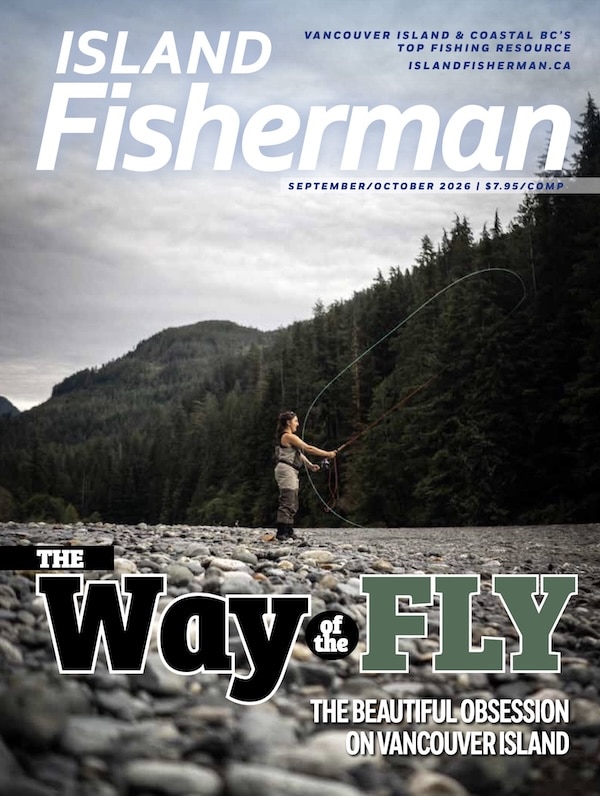

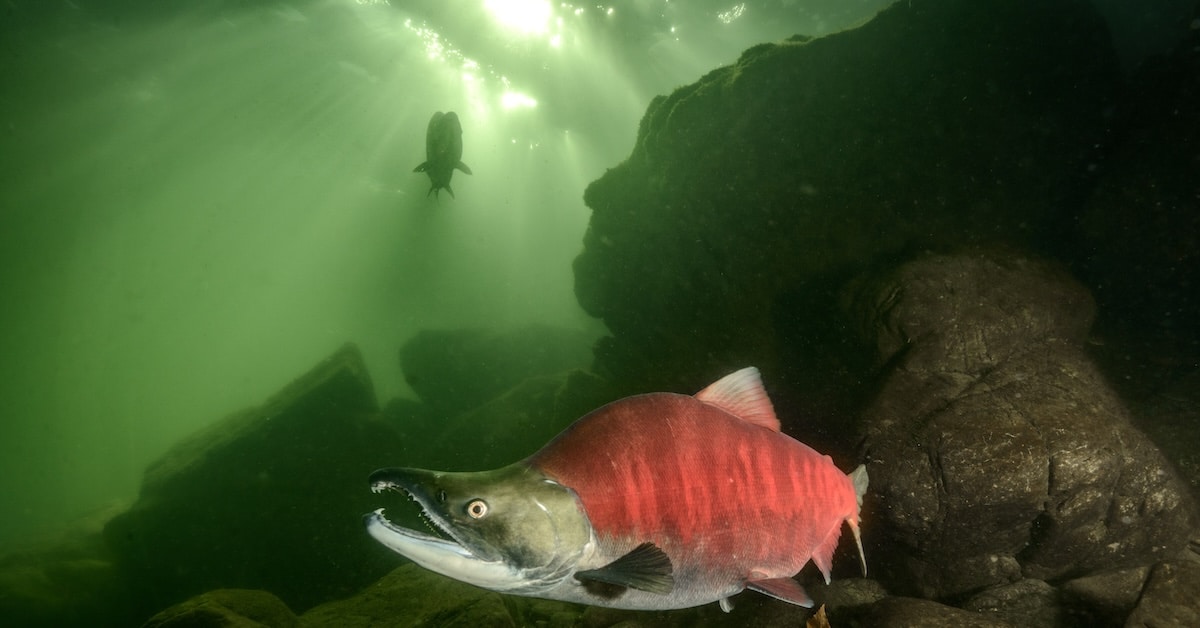
In the August 2026 print issue of Island Fisherman, we examined early expectations for the Fraser sockeye 2026 return—a dominant four-year cycle line that arrived with tremendous anticipation across British Columbia. Coming off 2025’s surprising 9-million-fish rebound, this season entered the summer with strong momentum:
- Strong Brood Precedent: Rooted in a 2022 brood return of 6.8 million sockeye.
- High-Volume Pre-Season Forecast: A median (p50) projection of nearly 8 million fish, with an upside potential of 16 million at p75.
- Anticipated Public Fisheries: High expectations for open gravel bars and marine trolling opportunities that had anglers prepping tackle across the coast.
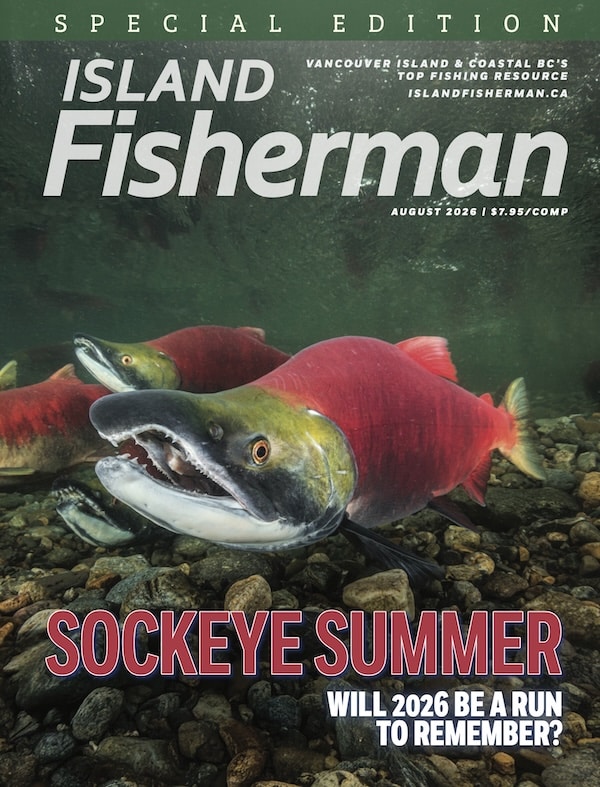
This online feature updates our coverage from the August 2026 print issue. Never miss another in-depth fishery forecast, regulation breakdown, or West Coast report delivered to your door.
As we noted in August, “complexity and uncertainty” are the only constants in Fraser sockeye management. Over the past month, real-time in-season data from the Pacific Salmon Commission (PSC) and Fisheries and Oceans Canada (DFO) replaced that optimism with a sobering reality.
The Historical Roller Coaster of Returns
To understand why this season’s reversal is so significant, it helps to examine the volatility of this stock over the past two decades. The Fraser aggregate is governed by cyclic dominance—four-year patterns driven by nursery lake rearing dynamics that typically yield one dominant boom year, one sub-dominant year, and two low-productivity runs.
| Return Year | Aggregate Run Size | Historical Context |
|---|---|---|
| 2009 | 1.4 Million | Historic low; prompted the federal Cohen Commission Inquiry. |
| 2010 | ~30.0 Million | Surprise boom on this same cycle line; biggest run in decades. |
| 2019 | < 600,000 | Consecutive collapse year; record low. |
| 2020 | < 300,000 | Lowest Fraser sockeye return on record. |
| 2022 | 6.8 Million | Brood parent year for the 2026 return. |
| 2024 | < 700,000 | Deep trough in the off-cycle. |
| 2025 | 9.0+ Million | Massive rebound; triple the median forecast. |
| 2026 (Pre-Season) | 8.0 Million (p50) | Pre-season median forecast (range: 4M to 16M). |
| 2026 (In-Season) | ~3.5 Million | Run-size <50% of pre-season p50 forecast; public harvest did not occur. |
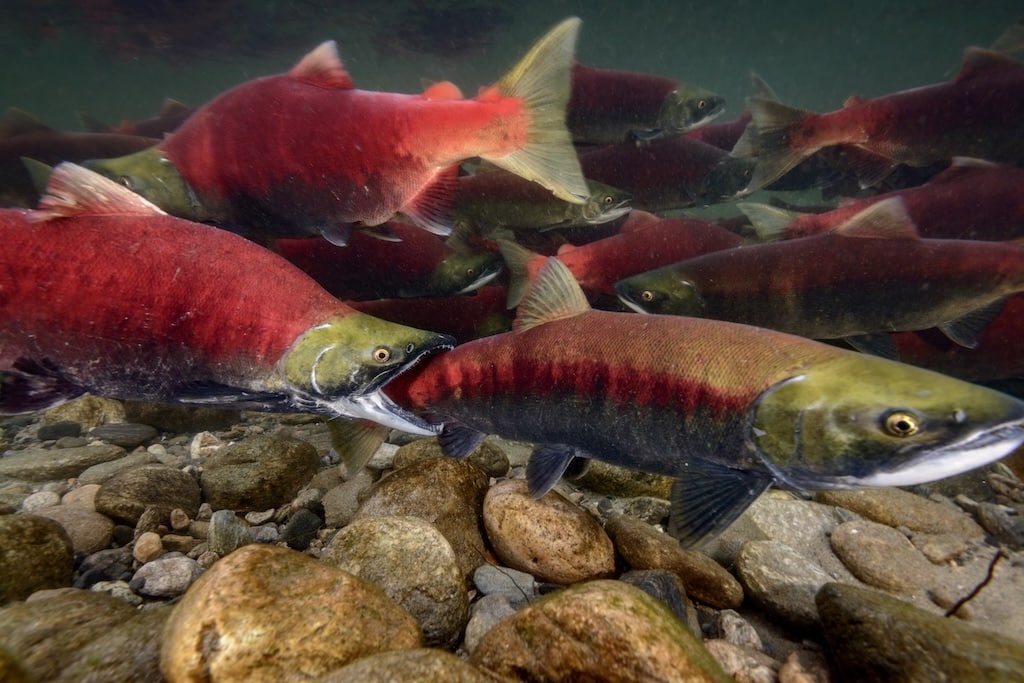
Fraser Sockeye 2026: Slashed by More Than Half
Test fisheries through Johnstone Strait and Juan de Fuca Strait told a vastly different story than early models predicted. The expected biomass never materialized, forcing the Fraser River Panel and PSC to reduce the aggregate run-size estimate down to 3.5 million fish.
- Late Run Downgrade: The Fraser Panel reduced the Late Run forecast from an initial 1.6 million down to 1.0 million fish.
- Summer Run Shortfalls: The Chilko and Quesnel stocks—projected to carry the bulk of the 2026 aggregate—tracked far below median expectations.
- Run-Wide Deficit: All four management groups (Early Stuart, Early Summer, Summer, and Late) performed substantially under pre-season projections.
“The trend for this four-year cycle in the Fraser is very concerning. In other years when run size has been reduced to this scale, fishing opportunities, outside of ceremonial and rights-based opportunities for First Nations, are usually significantly curtailed. As a recreational fisherman myself… I’m expecting that I probably won’t get that opportunity this year.”

Vice-President, Pacific Salmon Foundation (PSF)
In-River Hazards: Drought, Temperature, and Slides
For the sockeye entering the Fraser estuary, freshwater migration has become an uphill battle. Persistent drought across the B.C. Interior has kept mainstem flows low, while river temperatures have repeatedly hovered above the critical 18°C–19°C range.
At these elevated temperatures, migrating sockeye suffer severe physiological stress, depleted energy reserves, and elevated pre-spawn mortality. Compounding this thermal barrier, migrating salmon face challenging passages and heavy sediment loads downstream of major interior slide areas, including the Chilcotin River landslide and the Big Bar corridor.
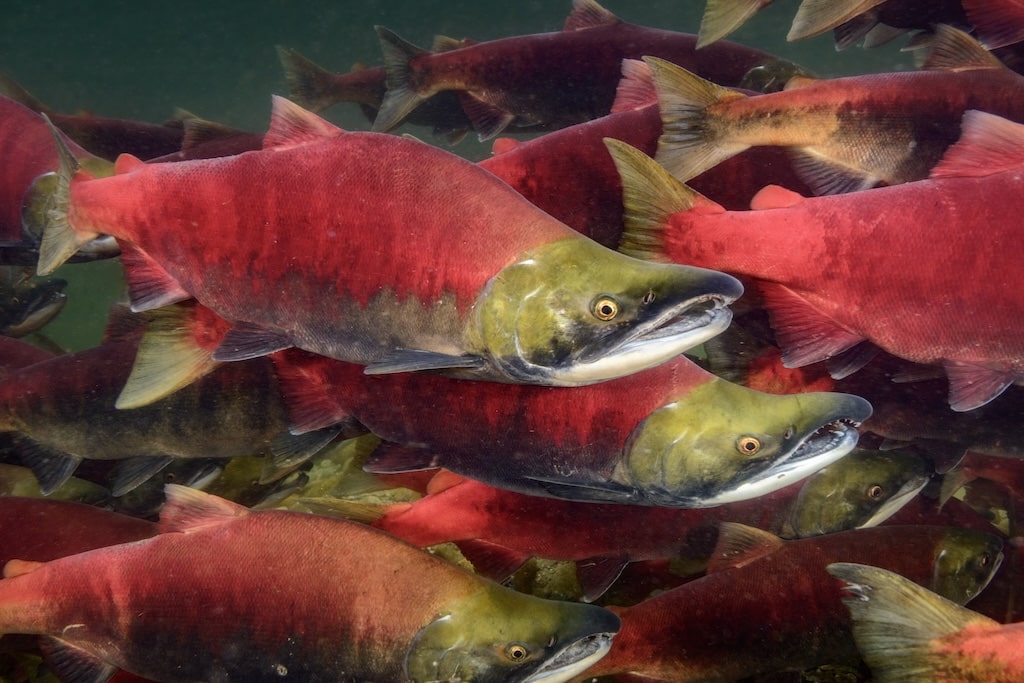
“It’s a low number, and then they’re coming in in challenging or extreme conditions. The Salmon Foundation wants an all-out effort to figure out what is happening before Pacific salmon goes the way of East Coast cod.”
Vice-President, Pacific Salmon Foundation (PSF)
A Dominant Year Without a Public Fishery
Under DFO’s Fraser River Sockeye Decision Framework, harvest allocations are tied strictly to conservation escapement targets and First Nations Food, Social, and Ceremonial (FSC) priorities. At a 3.5-million run size, Total Allowable Catch (TAC) for commercial and recreational sectors drops to zero.
“For anglers and conservationists alike, the reality is difficult to accept: 2026 could become the first dominant Fraser sockeye cycle in history without a public fishery.”
Advocacy & Habitat Conservation
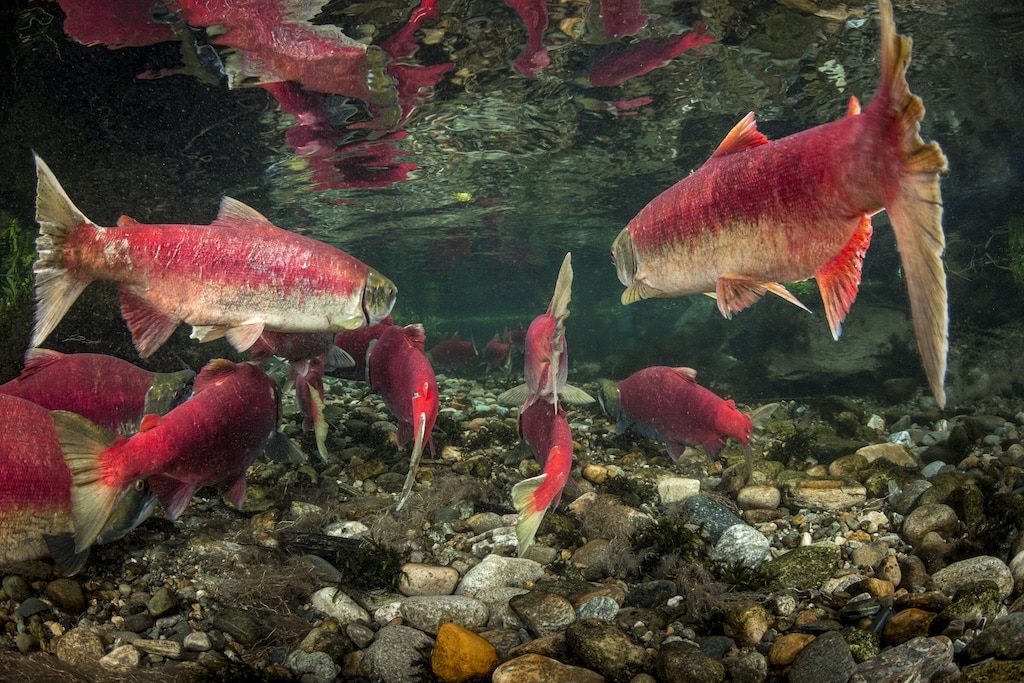
Protecting the Spawning Escapement
With no public retention fishery, ensuring that every returning fish reaches its natal spawning bed is vital. The BCWF and DFO have urged all river users and coastal communities to stay vigilant against illegal retention and black-market salmon sales.
Suspected illegal salmon retention or unauthorized sales directly harm vulnerable wild escapements. Report suspected infractions immediately to fisheries enforcement:
- DFO Observe, Record, and Report (ORR) Line: 1-800-465-4336
- DFO ORR Email: [email protected]
While isolated systems like the Somass offered great fishing earlier this summer, the Fraser remains a stark reminder that pre-season paper forecasts are no guarantee of ocean survival. The rods remain packed away as all attention turns toward whether these fish can complete their journey to the gravel beds of the Adams, Chilko, and Quesnel watersheds.
MORE FISHING NEWS & SALMON COVERAGE
Stay informed on in-season run tracking, B.C. fishery notices, and wild salmon conservation:
Reported by the editorial team at Island Fisherman Magazine. We provide authoritative coverage of West Coast fisheries policy, wild salmon conservation, and ethical sport fishing practices across British Columbia. Explore more guides and subscribe at Island Fisherman Magazine.
Underwater and salmon photography featured in this article by Eiko Jones Photography.