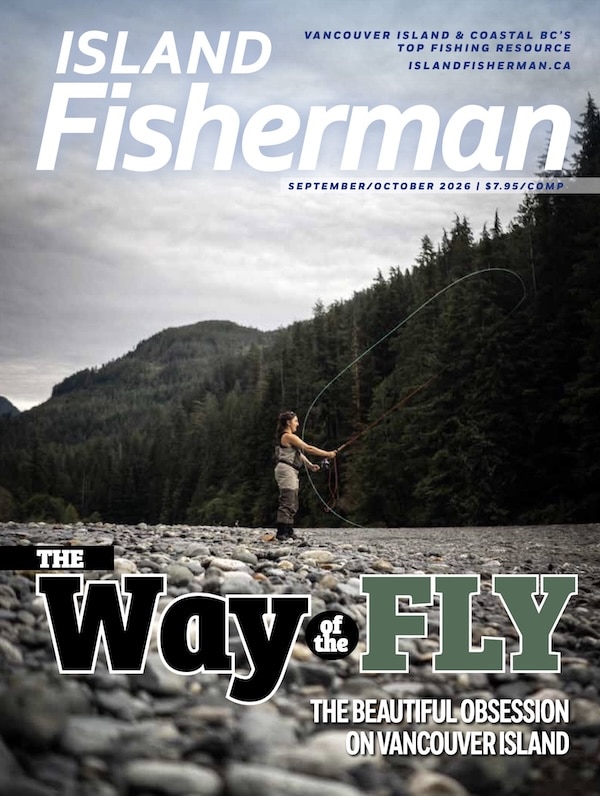


Experiencing sooke river salmon fishing during the autumn migration offers West Coast anglers an incredible opportunity to target chrome salmon in a thriving South Island watershed.
Nestled along the coastline between Victoria and Port Renfrew, the Sooke River is an urban angling wonder. Located under an hour from downtown Victoria, it provides prime access for chinook, chum, and coho, alongside year-round sea-run coastal cutthroat trout. However, consistent success demands more than standard gear; it requires understanding the river’s unique fly-fishing regulations, seasonal staging areas, and strict fish-handling ethics.
The Sooke River Recovery & Jack Brooks Hatchery
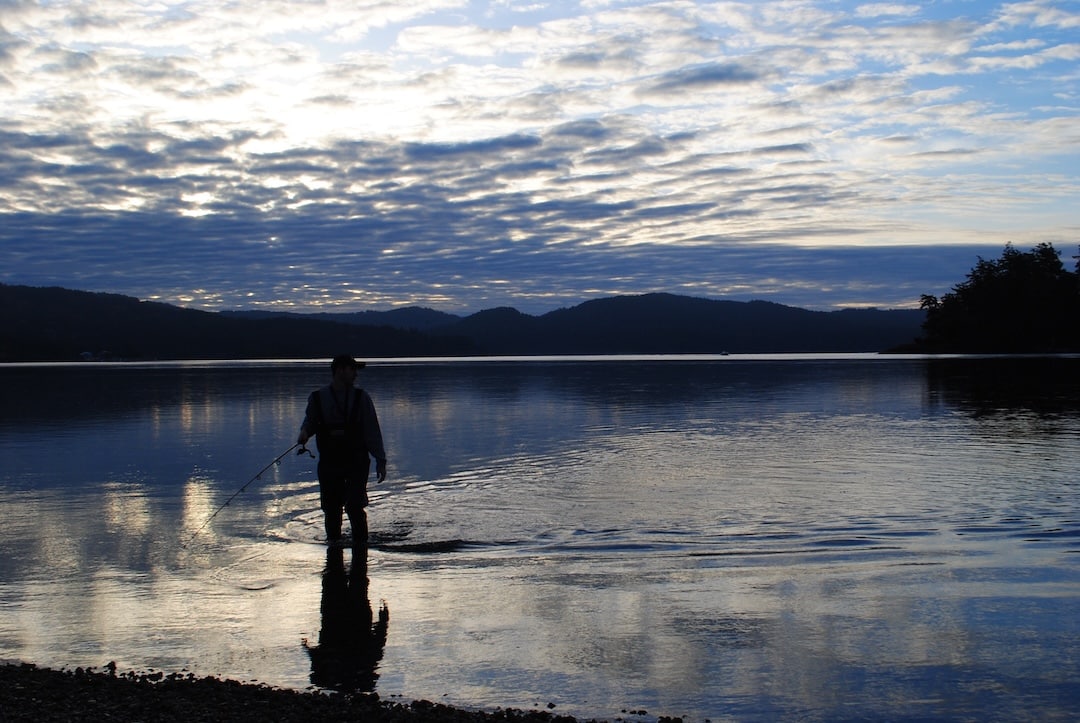
Before making your first cast, it is essential to recognize that modern sooke river salmon fishing is powered by dedicated community stewardship. Like many urban systems flowing through settled regions, the watershed experienced historic declines due to over-harvesting and industrial development. In the 1980s, the river’s wild chinook population was on the brink of total collapse.
The river’s recovery is driven by the tireless volunteer work of the Sooke River Jack Brooks Hatchery. By enhancing spawning habitat and releasing healthy fry back into the mainstem and its tributaries, volunteers have rebuilt the system into one of the most prolific chinook and coho producers on Southern Vancouver Island. This successful turnaround reinforces why respecting local regulations and handling every hooked fish with care is essential to protecting the run.
MASTER THE WATER WITH A PROFESSIONAL GUIDE
Vancouver Island coastal rivers feature complex seasonal boundaries, swift tidal currents, and technical fly-only water. If you want to learn the river quickly, master sink-tip depth control, or refine your casting presentations, spending a day with a vetted pro from our Vancouver Island fly fishing guides directory is the fastest way to build confidence and hook fish ethically.
Estuary Opportunities: Coastal Cutthroat Trout & Tidal Gear
While the fall salmon migration attracts widespread interest, the Sooke River estuary offers prime year-round angling for coastal cutthroat trout. Renowned for their acrobatic fights and aggressive feeding behavior, these wild trout reach sizes upwards of 18 inches.
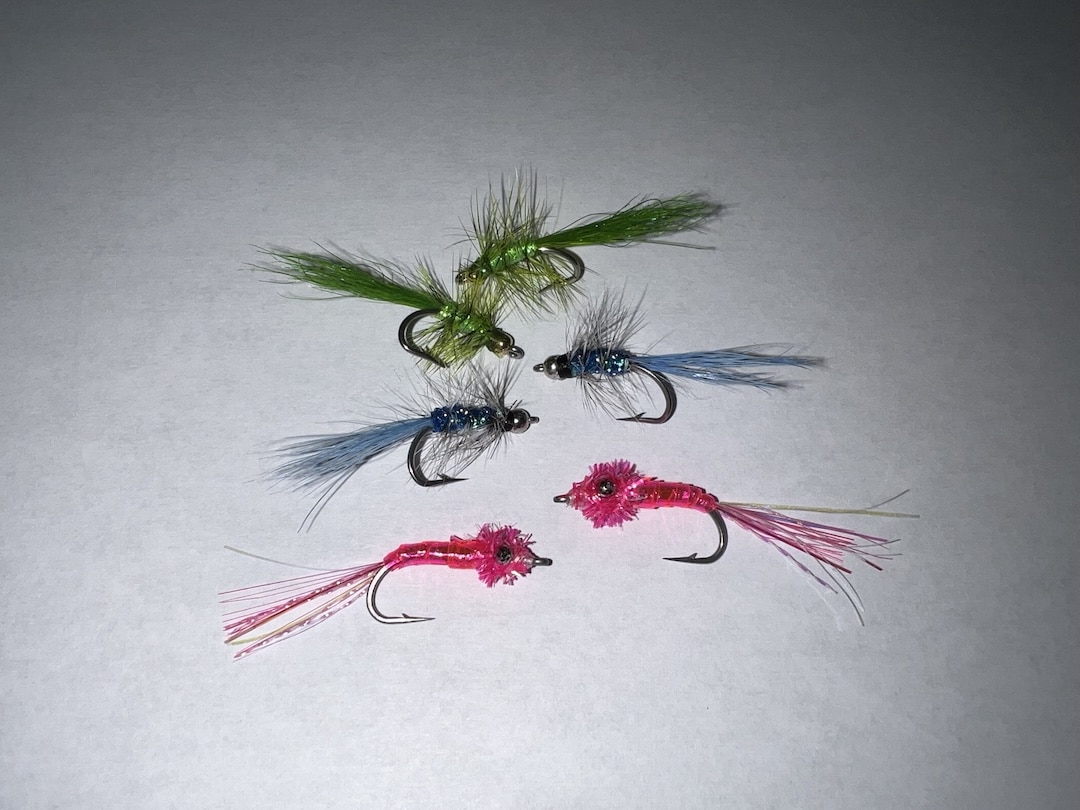
Spring is an exceptional window for cutthroat as they chase outmigrating salmon fry along gravel shelves and beach points. Sparse streamer patterns like California Neils, Rolled Muddlers, and micro Clouser Minnows in olive, blue, and fluorescent pink trigger ferocious strikes when stripped across the current.
CRITICAL REGULATORY NOTE: FLY FISHING ONLY ABOVE THE BRIDGE
While conventional gear is permitted in the tidal basin below the highway bridge, all waters above the Sooke River Bridge are strictly designated Fly Fishing Only. Under BC non-tidal regulations, anglers must use a conventional fly rod, fly reel, fly line, and an artificial fly dressed on a single barbless hook. Split shot, sinkers, floats, and strike indicators are strictly prohibited. Additionally, non-tidal river sections operate under a strict non-retention mandate for salmon. Check in-season notices via the DFO Sport Fishing Guide and provincial regulations before you step into the river.
Fall Salmon Run Timing in the Basin
Activity peaks in September as surface activity builds. Torpedoing salmon break the surface of the basin to purge sea lice and adjust to brackish conditions before pushing into river pools. Timing your days to match the migration is critical:
- Early September: Chinook and early chum begin schooling in the basin shallows. Much like pursuing healthy fall run chinook in other coastal rivers, early morning low-light windows yield the most productive visual follows.
- October: Massive returns of British Columbia chum salmon flood the system. They represent the heaviest biomass of the season, packing into holding pools and gravel tailouts.
- Mid-to-Late October: Coho salmon arrive alongside the chum run, holding in back eddies, slow river bends, and woody cover.
PRO ANGLER TIP: WADING DISCIPLINE
Resist wading straight out into the channel. Salmon in coastal estuaries and slow river runs often travel right along the first shelf, mere feet from shore. Walking out waist-deep spooks traveling schools into deep current before you make your first presentation.
Fly Tackle & Sink-Tip Selection
Because split shot and weight on the leader are illegal in the Fly Fishing Only section, getting your fly into the lower third of the water column relies entirely on your line setup. Migrating salmon travel along the riverbed, requiring a balanced sinking tip to reach their travel lane.
An 8-weight fly rod is the ideal setup. It delivers the lifting power needed to control heavy fish in river seams and land them quickly before lactic acid builds up. Pair your rod with a reel carrying at least 150 yards of backing and a dependable drag system. Attach a 10-foot intermediate or Type 3 sink tip to your floating line, followed by a short 3-to-5-foot leader of 15-lb fluorocarbon. If you want dedicated instruction on swinging heavy sink tips, consider booking through our fly fishing guide directory.
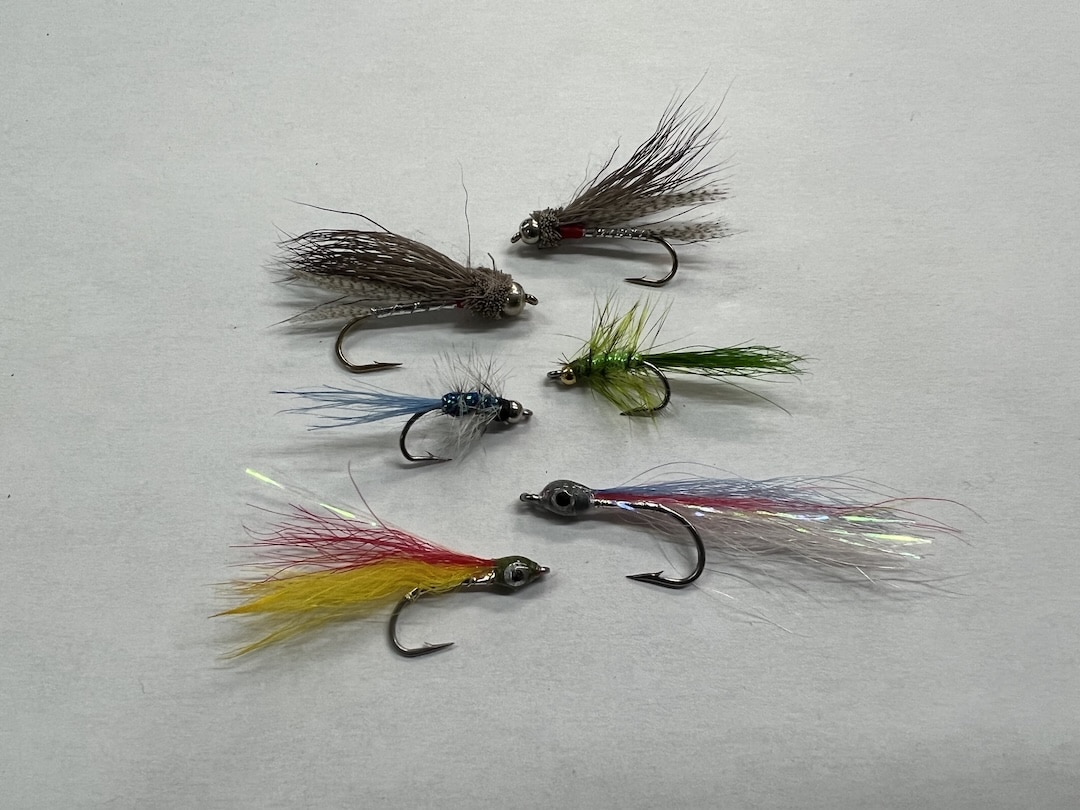
Targeting Chinook, Chum, and Coho with Flies
1. Deep River Chinook
Chinook are the heavyweights of the system, holding deep in slow pool tails and mainstem channels. High-percentage flies include black Woolly Buggers, bead-head Muddlers, and Egg Sucking Leeches in black and purple. Swing your fly down and across through slow tailouts, keeping line tension steady as the streamer swings through the holding lane.
2. Chum Salmon on the Swing
Chum salmon are revered for aggressive takes and relentless pulling power. When learning how to catch more chum salmon on the fly, vibrant attractor patterns outperform natural profiles. Cone-headed Popsicle flies tied with cerise, hot pink, and purple flash are lethal when swung across medium-flow riffles and pool heads.
3. Fast-Stripping for River Coho
Coho are reactionary predators that often strike flies retrieved at pace. Stripping blue and green California Neils or pink Zonkers rapidly past schooling chum triggers sharp reaction strikes. In frog water and muddy pools, skating topwater poppers in hot pink or purple produces explosive visual takes.
Catch and Release Ethics on Rivers
Because the river above the bridge operates as a strict non-retention fishery, proper fish handling is non-negotiable. Returning spawners require every reserve of energy to complete their lifecycle:
- Rubber-Coated Nets: Abrasive knotted mesh strips the protective slime layer from salmon, making them susceptible to lethal waterborne fungus. Soft rubber mesh prevents scale loss and allows you to control the fish quickly.
- Forceps & Barbless Hooks: Always verify your barbs are pinched completely flat. Long forceps allow you to release hooks instantly without touching the fish’s gills or eyes.
- Keep Them Wet: Never drag a fish onto dry gravel, river rocks, or sand. Keep the salmon submerged in moving water while removing the fly and allowing it to recover before release.
-

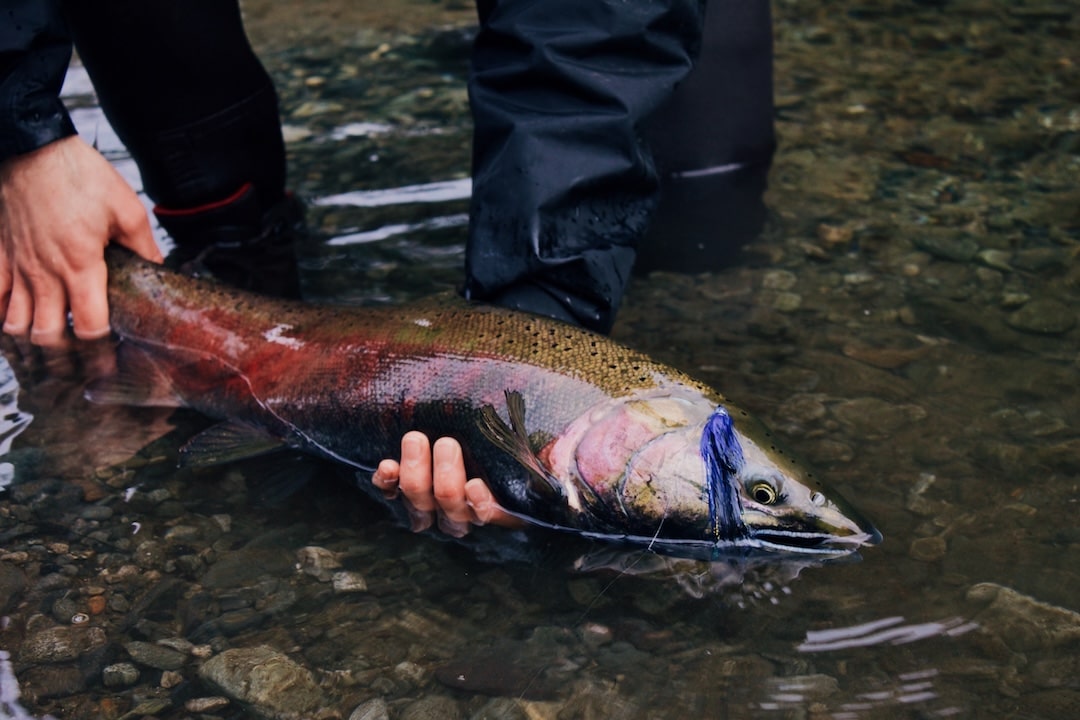
Taken on a purple and cerise streamer pattern. (Photo: Will Gillis)
STEWARDSHIP & LOCAL RESOURCES
- Sooke Salmon Enhancement Society (Jack Brooks Hatchery): Discover ongoing volunteer projects, fry releases, and salmon habitat restoration efforts on the Sooke watershed.
- DFO Pacific Region Sport Fishing Guide: Official in-season updates, finfish boundary orders, and tidal regulations.
- BC Freshwater Fishing Synopsis: Provincial non-tidal regulations detailing Fly-Fishing Only rules and river-specific gear bans.
MORE VANCOUVER ISLAND SALMON GUIDES
Explore more coastal river fisheries and proven seasonal tactics across Vancouver Island:
About the Author & Island Fisherman Magazine
Words and photography contributed by Will Gillis and the editorial staff at Island Fisherman Magazine. We are dedicated to providing clear coverage of West Coast sport fishing news, salmon enhancement, and ethical river angling. Explore more local guides and subscribe to our print edition at Island Fisherman Magazine.