
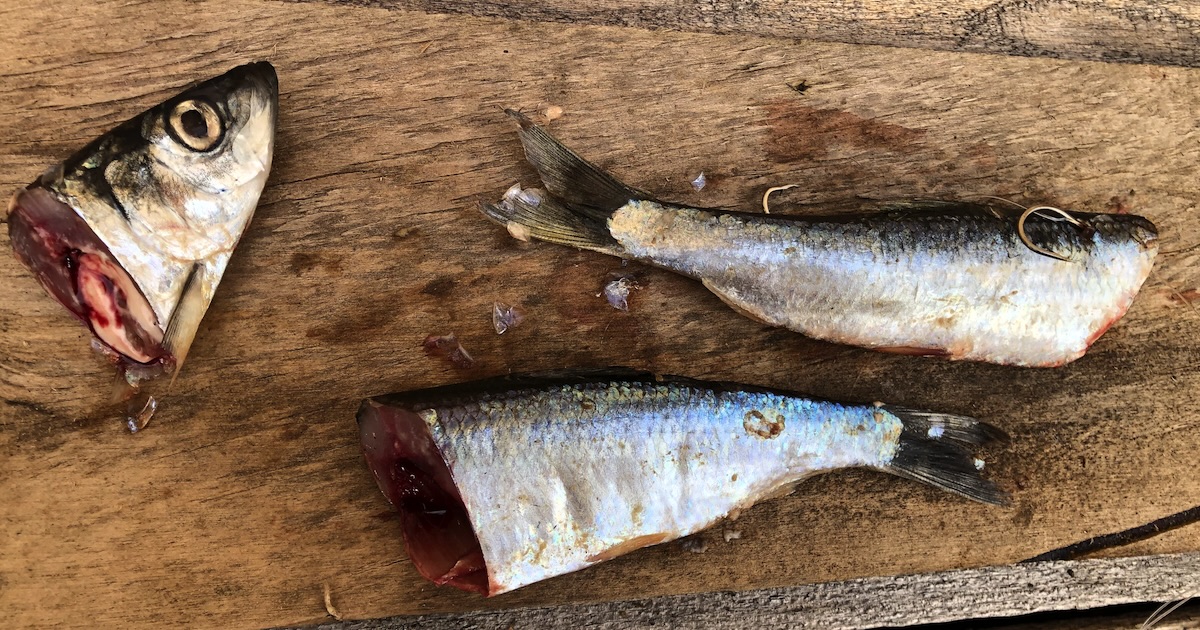
One of the best-known fishing techniques developed on the West Coast is the classic art of cut plugging. It emerged out of necessity back when artificial lures (such as metal spoons) were rare and rubber or plastic lures had yet to be invented. Herring were the natural feed for salmon and very abundant, and there was a time when every fisherman carried a herring rake or net to catch his own bait. Today, its appeal is in the simplicity and the fact that many fishermen believe it outproduces artificial lures. When targeting large late season Chinook, often it will get strikes when nothing else is working.
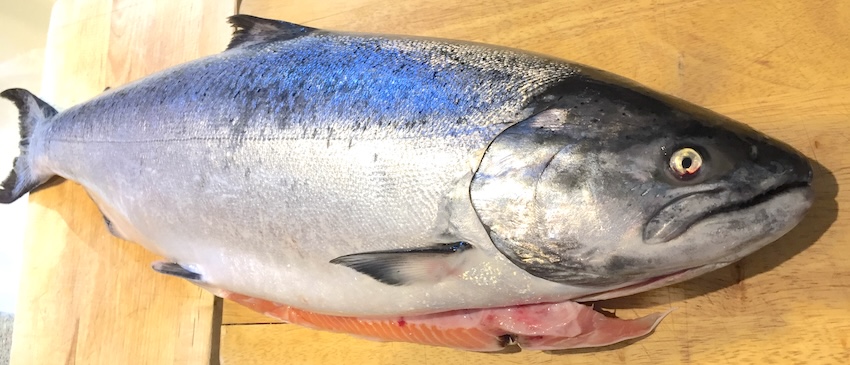
Fishing a cut plug herring can be done with a downrigger or one can use the more traditional technique of mooching. Both fishing styles can be very effective. With mooching, however, the battle with the salmon is unparalleled as the fish is unencumbered by flashers and downrigger clips.
Cut Plug Technique
While relatively uncommon today, mooching a cut plug herring used to be a main method of salmon fishing on the coast. Prior to outboard engines and downriggers, it was a style of fishing familiar to every fisherman. It was so ubiquitous that we still refer to our trolling gear as mooching rods and reels.
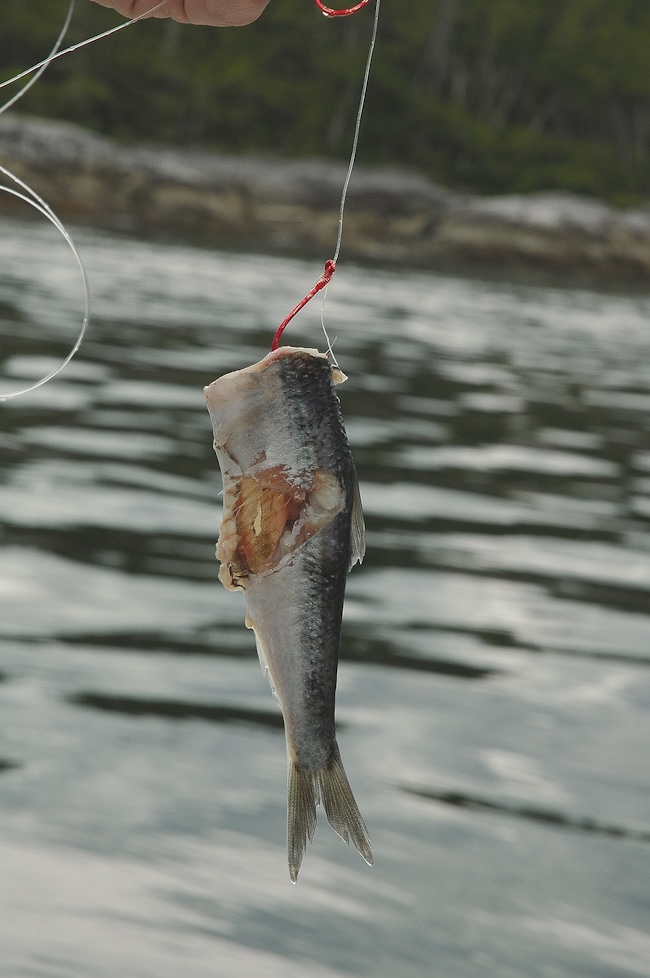
Cut-plug Herring after salmon strike
Mooching can either be done as drift mooching or motor mooching. Normally a little bit of wind or current is needed to drift mooch. When there is neither, motor mooching may be necessary. In both cases the bait is lowered to the desired depth where it hopefully will slowly spin, imitating a wounded herring. Often the rod is held in the fishermen’s hands allowing them to feel the salmon’s bite. This may start as tentative mouthing while the salmon tests the bait. This is frequently the case with large mature Chinook. There really is no fishing style more thrilling than this, as the fisherman gets to feel everything. And the fight a shallow- hooked salmon puts up cannot be compared to playing a fish hooked at 200’ on a downrigger.
Trolling a cut plug herring is done in the same manner as trolling a spoon or hoochie except with the herring behind the flasher instead of the lure.
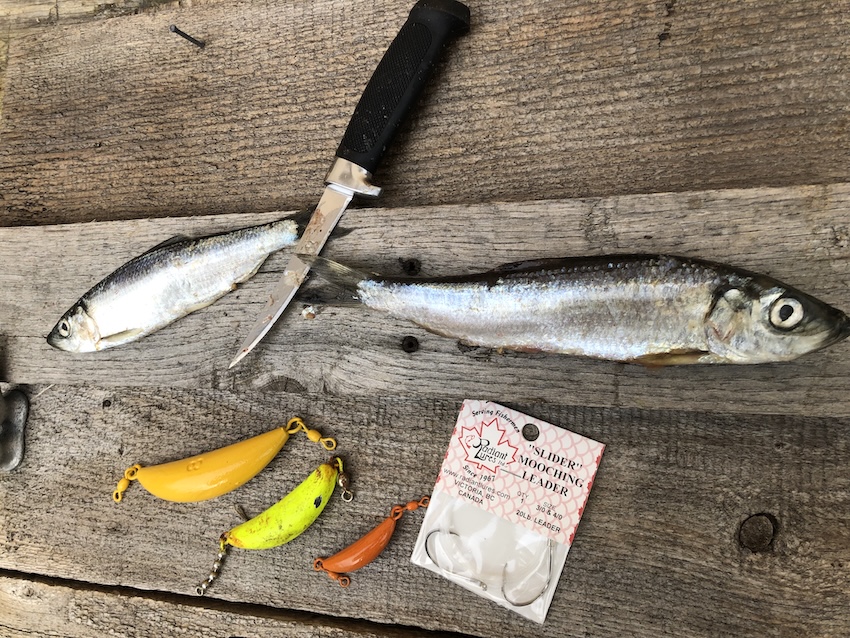
All you need: cut plug herring essentials
Cut Plug Bait and Preparation
Look for the best quality herring you can find. Old freezer-burned herring with sunken eyes or missing scales are not ideal. If possible, buy vacuum- packed herring, or better still catch your own. The days of buying fresh or live bait are for the most part gone, so learning to catch your own with sabiki jigs or a net is an excellent idea.
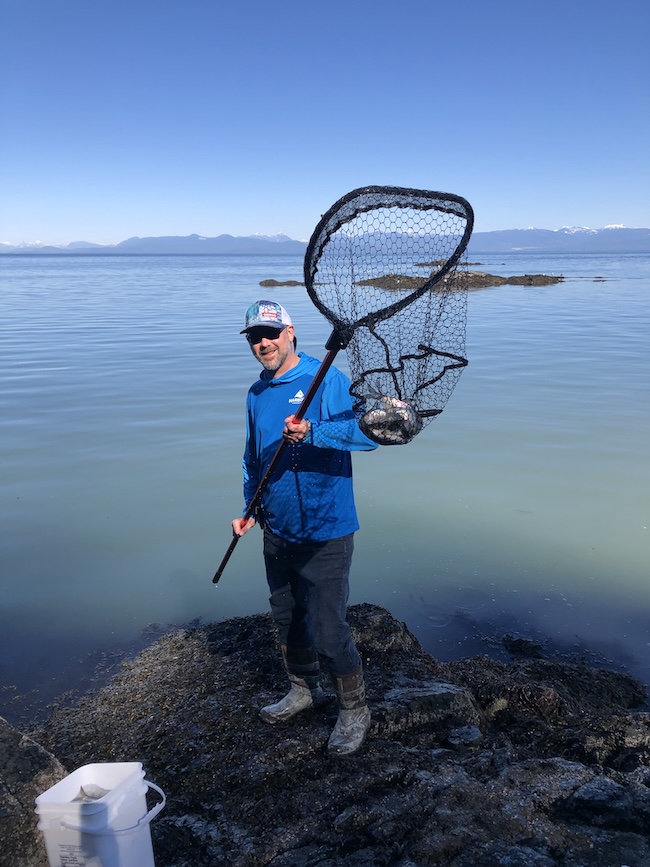
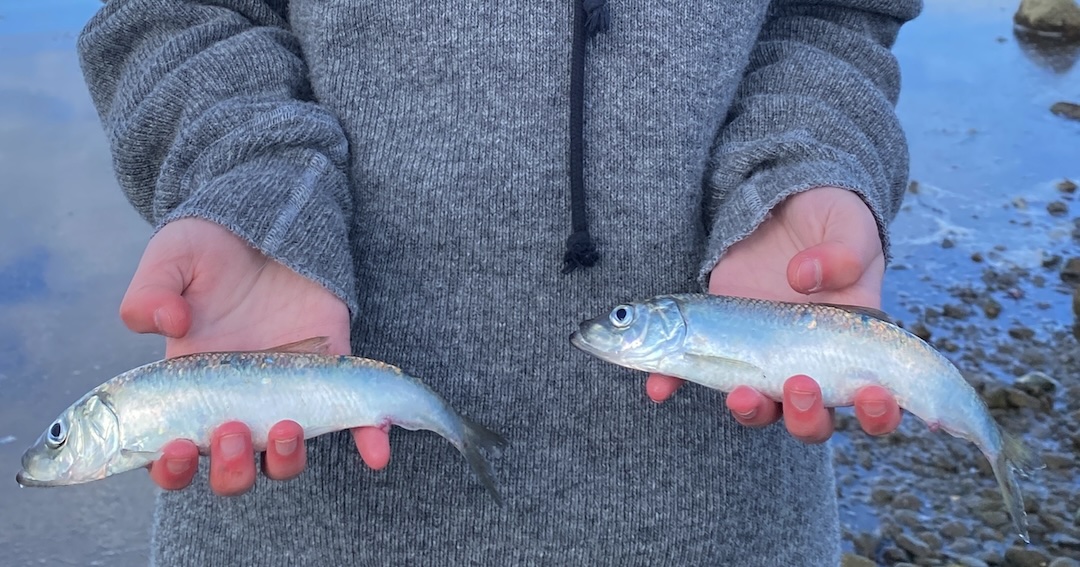
fresh herring harvested on Vancouver Island (Photo: Gibran White)
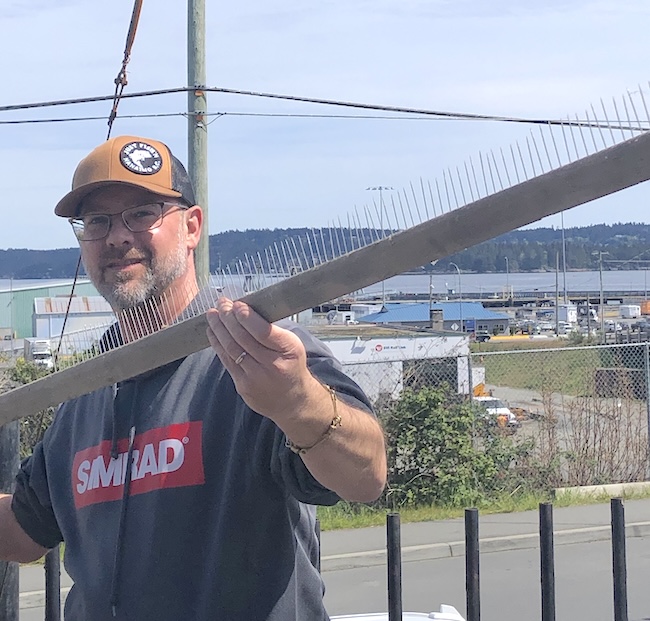
If you want to go completely retro, you can even use a herring rake. However, be prepared to build it yourself as they are almost impossible to find these days.
Cutting your herring is a bit tricky at first. You are attempting to make a cut that will cause the herring to roll. Two different angles must be achieved in one cut. While this is hard to describe, it is easily understood visually. And if teaching yourself, I recommend buying a plug cutter guide that holds the herring and has slots to guide the knife.
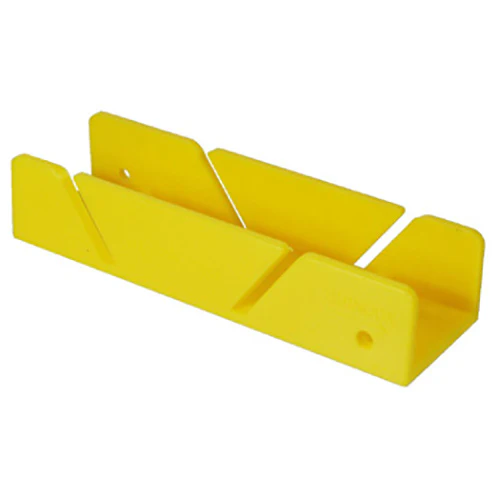
Step 1: Cutting Your Cut Plugs
Use a sharp knife for clean cuts.
Wet your hands to minimize scale damage.
Hold your knife at a 20-degree angle while cutting.
Cut the head off at a 30-degree angle to the body.
Remove the guts carefully, but do not damage the herring especially the thin stomach skin.
Next the herring must be brined. Otherwise, they will be too soft to rig and will fall apart quickly. While many fishermen have their own secret brine recipe, there are also commercially made products available. Some will dye and brine, but all rely on salt to firm up the fish.
Step 2: Brining Your Herring
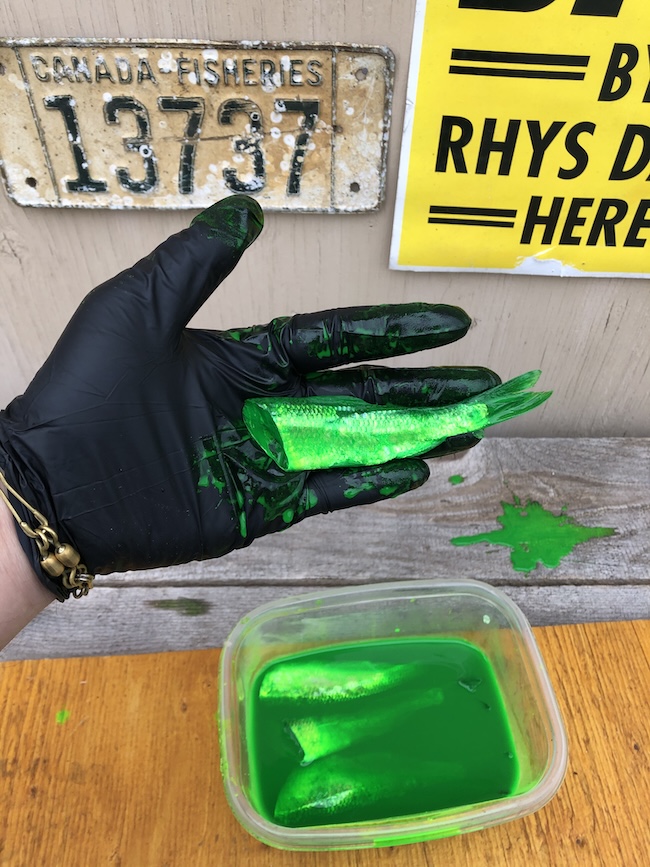
BASIC BRINE:
– 1/3 cup rock salt per pack of herring
– Fresh water to cover herring and salt (optional)
ADVANCED BRINE:
– 5 cups of distilled or non-chlorinated water
– 3/4 cup of natural sea salt
– 3 1.5 tablespoons of powdered milk
– 2 1/2 tablespoons borax
Frozen herring take about 12 hours to brine and thaw.
Pre-cut your plugs and brine them the night before fishing.
Keep extra salt onboard in case your herring feel soft. If so, add more salt.
Keep unused herring on ice if fishing again soon.
Freshen up your bait brine with water if it becomes discoloured or begins to smell.
Step 3: Rigging your Herring
Rig your cut plugs on a two-hook mooching leader. There should be 3″ between the hooks.
Wet your hands before handling your herring.
Use two 3/0-4/0 octopus hooks.
The trailer or stinger hook is usually the one that hooks the fish.
The front hook is key to imparting a good roll.
Always check your herring’s roll in the water before you send it down. If it doesn’t roll then replace it.
The cut angle, while important, isn’t as key as the placement of the front hook.
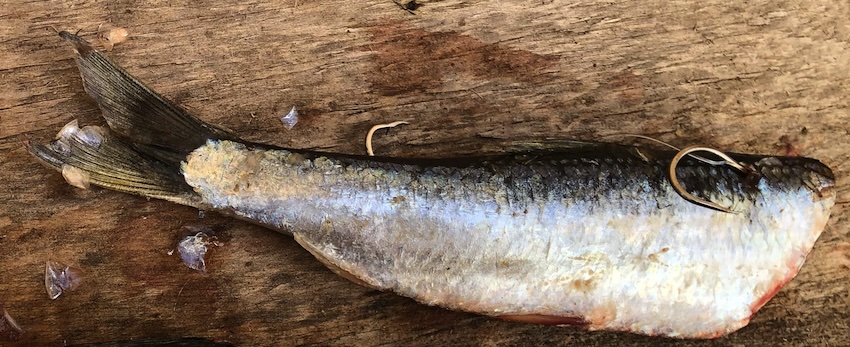
cut plug herring with hooks
So next time you want to target large fish, or if fishing has been slow, consider using what salmon actually eat. While brightly coloured, man-made lures look good on the wall at the tackle store, sometimes a simpler technique may be a better choice. It may require more skill to master, but when done correctly it can lead to greater success on the water. And using traditional gear lets the fisherman get in touch with some of the historic skills that fishermen used in past times.
This article appeared in Island Fisherman magazine. Never miss another issue—subscribe today!