
Fly Fishing Gear Guide
Matching Rod Weight, Reels, and Lines to the Fight
by Bill Luscombe
Fly fishing isn’t a complex sport. And the beauty of it is that you can pretty much chuck and chance it with any fly gear for any fish once you learn to cast.
However, as outlined in this Fly Fishing Gear Guide, if you want a good chance of actually catching, playing, and landing a particular fish, you need to know more about fly systems—specifically how to match the fly system to the size and strength of the fish you hope to catch. One of the things I teach my students is to know their fish species—how to identify them, their sizes, and their habits.

A fish’s weight and potential to run far and fast are serious considerations because they affect the gear and lines that should be used. For example, creek fishing for brook trout that is less than 1 lb doesn’t require an 8-weight line and rod. At the same time, you should not be trying to hook into a Chinook using a 3-weight and seriously thinking you’ll land the fish. You’ll break the tippet, or worse (if you don’t know what you’re doing), you’ll bust your rod.
Fly Fishing Gear Guide: Species System Recommendations
This section of our Fly Fishing Gear Guide provides a baseline for the rods, reels, and line weights you should employ for species common on Vancouver Island:
| Fish Species | Fly System (Rod, Reel, Line) |
|---|---|
| Small trout (< 1 lb) | 3- to 4-weight |
| Medium trout (> 1 lb to < 5 lb) | 4- to 5-weight |
| Large trout > 5 lb | 6- to 7-weight |
| Bass | 5- to 6-weight |
| Steelhead | 8- to 9-weight |
| Pink Salmon | 6- to 7-weight |
| Coho Salmon | 8-weight |
| Chinook Salmon | 9- to 10-weight |
| Chum Salmon | 9-weight |
| Sockeye Salmon | 7- to 8-weight |
Master Your Rod’s Power
Weight is only half the story. Learn how to test a fly rod’s “bottom end” to ensure it isn’t too “noodly” for heavy currents and big BC salmon.
Environmental Variables in Your Fly Fishing Gear Guide
The problem with little tables like this is that they really cannot take into account the variables that each situation presents. By this I mean that if you are fishing for Chinook in the open ocean, a 9-weight system will be fine, especially for smaller Chinook. However, if you are in a river with moderate to heavy current, then a 10-weight is a better choice because the fish uses the current to fight you, as well as its God-given strength. This goes for all species. If you fish only in lakes, a lighter system can be employed compared to river fishing for the same species/size.
Following that same thought process, knowing your species will help you know their potential for making long runs. And if the fish is in a good current, that exacerbates the situation; you’re going to need backing, and a lot of it.
“If you hook into a 15-lb coho in a heavy current, you’re not only in for a fight but probably a long run downstream (I mean you, not the fish) because there’s no way you’re going to haul in that fish against the current.”
You’re going to have to move downstream until the fish tires and you find some calmer water, like a wide flat or a pool. If that doesn’t happen, your chances of landing the fish are very slim. I’ve witnessed numerous people hook salmon in the current in a spot where they could not move downstream due to deep water or rocks. Inevitably they have to break the fish off, or the fish spools them.
Fly Fishing Gear Guide: Reel Capacity and Backing Selection
Reel capacity is a serious consideration, especially when chasing after the larger, stronger fish. Fish like smallmouth bass on a 6-weight system don’t require a lot of backing, as they don’t run that far. On the other hand, big Kamloops rainbows do, and on a 6-weight system you’re going to need more than the average 50 metres of backing.
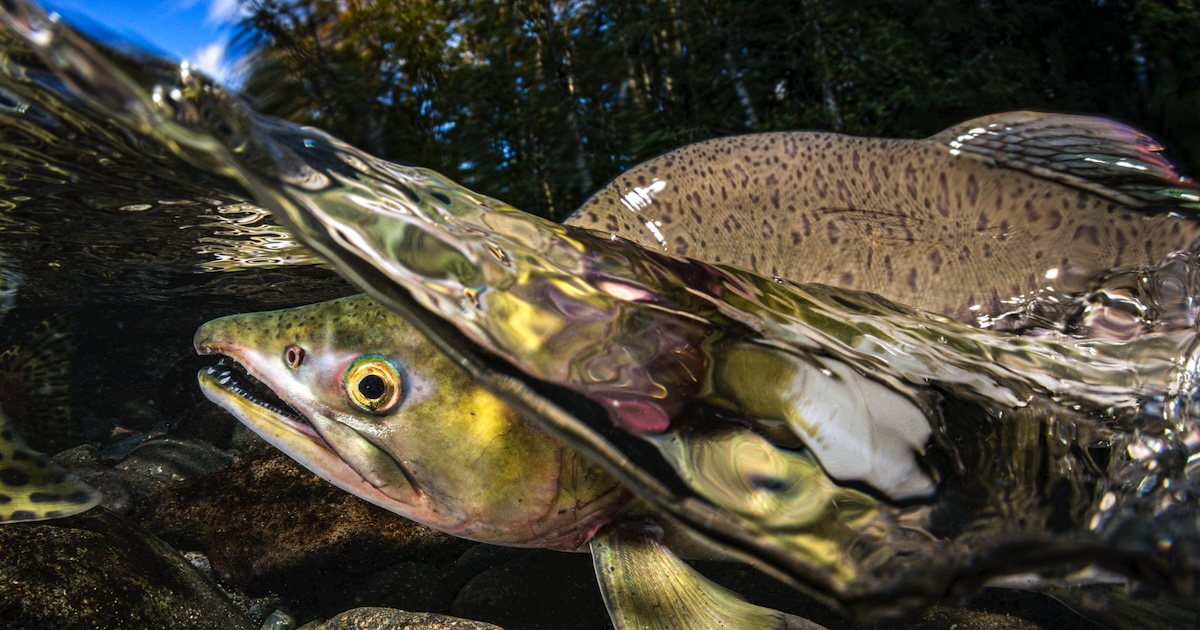
Pink Salmon Eiko Jones Photography
When fishing for pink salmon, I always recommend you get a reel one size larger than your fly system. When I fish pink salmon, I use a 6-weight system, but my reel is a 7/8 weight. This gives me more room for a lot more backing. I learned this lesson years ago when I hooked into a coho off the beach with a 6-weight system. I got spooled in no time, and it busted me off. I swore I’d never have that happen again, and it hasn’t. I still lose coho, but I’ve never run out of line since.

Big fish means big gear!
Fly Fishing Gear Guide: Leader and Tippet Selection
Another thing to keep in mind is the strength and diameter of your backing. The stronger the backing, the thicker it is. So stronger backing fills your spool faster than weaker backing because stronger backing is thicker in diameter. Having said that, your backing must always be stronger than your tippet. If it isn’t, you risk losing all your line if a fish breaks your backing.
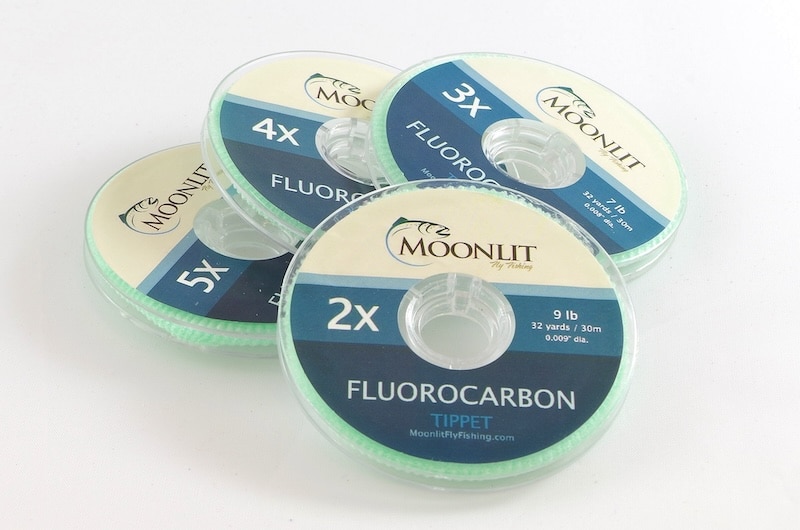
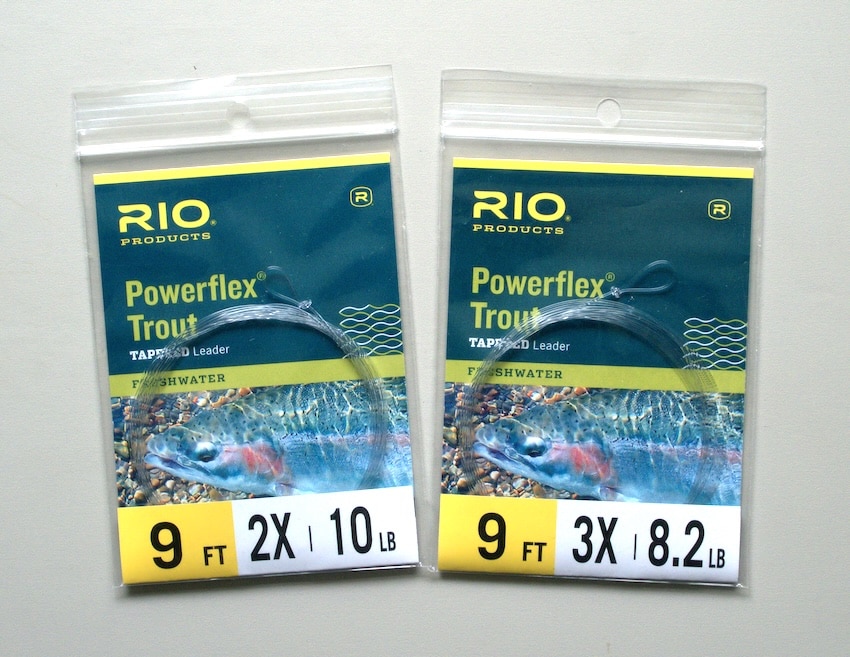
I know this sounds goofy until you are forced to break a fish off because there is no way to get it in. Below is a table of leader/tippet sizes and strengths for general reference. Keep in mind that different line manufacturers’ tippet strengths (lbs test) vary from one company to another, but the diameter is always the same.
| Diameter (Inches) | X-Designation | Lbs Test | Hook Size |
|---|---|---|---|
| .003 | 8X | 1 | 24 or smaller |
| .004 | 7X | 2 | 20 |
| .005 | 6X | 3 | 18 |
| .006 | 5X | 4 | 16 |
| .007 | 4X | 5 | 12 |
| .008 | 3X | 9 | 10 |
| .009 | 2X | 7 | 6 |
| .010 | 1X | 9 | 2 |
| .011 | OX | 10 | 1/0 |
| .012 | X1 | 12 | 2/0 |
| .013 | X2 | 14 | 3/0 |
| .014 | X3 | 16 | 4/0 |
| .015 | X4 | 18 | 5/0 |
The Rule of 3
To find the correct X-designation for your fly, simply divide the fly hook size you want to use by 3: Hook Size / 3 = X-designation.
Fly Fishing Gear Guide: Bottom Line for Beginners
In the end, we don’t all have a ton of money to buy an entirely different system for each species we want to fish for, especially if we want to fish year-round for all kinds of fish. Gear isn’t cheap, and a bit of extra time spent thinking long and hard will result in much more satisfaction (and success) down the road.
I advise those starting out to buy a 6-weight system with a 7/8-weight reel. This combination will allow you to fish a wide variety of species, including bass, trout, and small salmon. The second system I recommend is an 8-weight system. That allows you to chase coho, steelhead, and sockeye.
Chinook and chum are big fish, and you need heavy systems. They are a class unto themselves, and while you may not chase them a lot over the course of the year, you do need the heavy gear to do so. The bottom line in this Fly Fishing Gear Guide is that you need to think seriously about what fish you want to pursue, because that determines what you should be buying. Gear isn’t cheap, and a bit of extra time spent thinking long and hard will result in a lot more satisfaction down the road.
This article originally appeared in Island Fisherman magazine.
Never miss an issue—get the best BC fishing intel delivered straight to your door!
Supporting BC’s premier fishing community since 2000.
Latest Issue
Fishing Reports

Stay Ahead on BC Waters
Tactical rigging guides, regional run timing, DFO regulation updates, plus subscriber-only lodge deals and exclusive BC marine partner discounts. Delivered straight to your inbox.
"*" indicates required fields