
Smoking Salmon: The Ultimate West Coast Best Practices Guide
As the summer turns to autumn and the days start to cool off, many fishermen begin the task of processing their year’s catch. Here on Vancouver Island, that usually means smoking salmon. This technique to preserve fish for winter is as old as fishing itself, but on the Island, we have developed our own methods to match the fatty and flavourful salmon we catch.
The Science of the Cure: Dry vs. Wet Brines
A basic smoking salmon recipe starts with a salt-based brine to impart flavour. There are two primary types: wet brine, which includes water, and dry brine, which uses no liquids. While the debate between the two continues in coastal tackle shops, many Island experts utilize a hybrid approach.
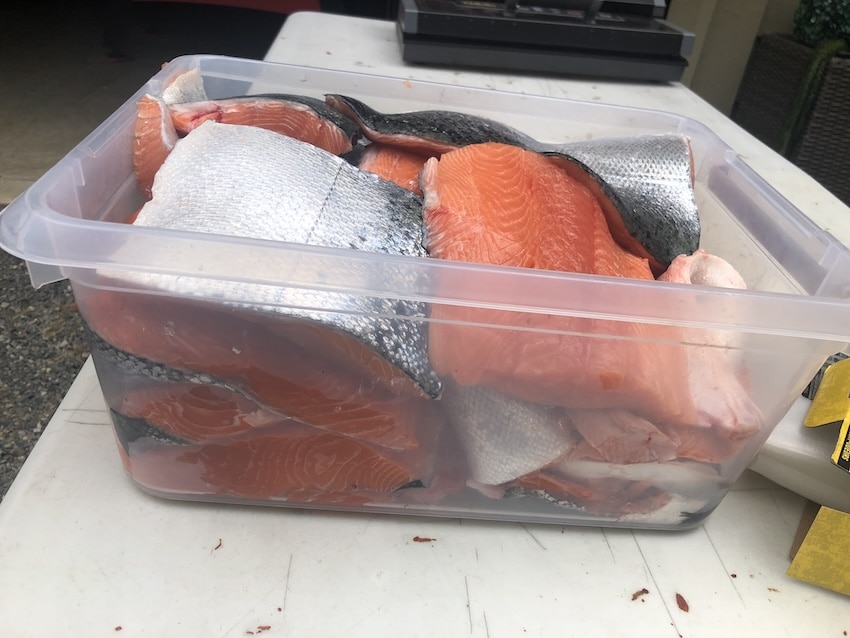
Freshly cut wild salmon fillets on the prep table. The vibrant orange flesh and silver skins are inviting as the salmon is prepared for the brine stage of the West Coast smoking process.
The hybrid technique avoids the use of water entirely—which can soften the flesh—but includes liquid elements like soy sauce and dark rum. This allows for the deep flavour penetration of a liquid brine while maintaining the firming benefits and moisture extraction of a dry cure. This moisture removal is critical; by lowering “water activity,” you make it harder for spoilage bacteria to grow while concentrating the natural oils[. Over time, you can tweak these ratios to suit your specific species and taste.
For that West Coast Smoked Salmon flavour, my preferred recipe could be considered a hybrid of the two, as it includes some liquids (soy sauce and rum) but no water. This is the technique I see most used, but there are as many variations as there are fishermen. And over time you can tweak the recipes to suit your taste.
Traditional vs. Modern Methods
The original way of smoking salmon on Vancouver Island was the traditional First Nations method, which did not involve a salt brine at all. They would split the whole fish, remove the backbone, and hang it over a fire in a smokehouse. It was smoked until all moisture was removed, greatly reducing its volume and allowing it to be stored unrefrigerated for extended periods. Chum salmon was the preferred species, as their low-fat content made them less likely to spoil.
Never brine salmon in metal bowls; glass or ceramic is preferable. Additionally, never use iodized table salt in your brine—Kosher or sea salt are the only salts to use.
The Hot Smoking Salmon Process
Once the fish is brined, it must be prepped for the smoker. For dry brines, the mixture should be rinsed off with cold water and patted dry. Next, for either style, the fish must be set up for a few hours in a cool, dry place and allowed to rest.
This is a key step often missed by beginners: the fish must be allowed to develop a thin layer of protein called a pellicle. The pellicle is what absorbs the smoky flavour and is critical to good smoked salmon. Airflow over the meat is desirable, as it promotes the development of the pellicle and assists in keeping bugs like flies off the fish.

🔥 Hot Smoking Brines
The Basic Dry Brine: 1 cup brown sugar and 3/4 cup kosher salt.
The Basic Wet Brine: 1 cup brown sugar, 3/4 cup kosher salt, and 2 litres of water.
Optional Additives: 2 tbsp garlic powder, 2 tbsp Worcestershire sauce, 2 tbsp black pepper, 1/2 cup soy sauce, or 1/4 cup dark rum.
Managing Temperature & Albumin
When smoking salmon, a slow rise in temperature is the secret to a professional aesthetic and preventing overcooking. Start your smoker at 110°F (43°C) for the first 1 to 2 hours. Then, raise the temperature to 140°F (60°C) for 3 hours before finishing at 175°F (80°C) for the final 1 to 2 hours.
This gradual climb inhibits the production of albumin—a harmless but visually unappealing white protein that leaks out when meat fibers contract too rapidly from high heat. It appears as white streaks or paste on top of the fish. While it won’t hurt you, it is indicative of rapid heating.
Candied Salmon: The Glazed Variation
Candied salmon is a popular variation of the hot-smoking process. To achieve this specialty product, you follow the standard hot smoking methodology but introduce a specific finishing step. Prior to smoking, or during the final stages of the cycle, the fish is glazed with either maple syrup or a mixture of brown sugar and dark rum.
This technique creates a high-gloss, tacky exterior that balances the salt of the brine with a deep, caramelized sweetness. While traditional hot smoking focuses on firm texture and smoke penetration, “Salmon Candy” is all about that decadent, sticky finish that has become a Vancouver Island hallmark.
🍬 Level Up to Salmon Candy
If you want to master the “glaze” mentioned in this guide, try our most requested sweet-and-spicy variation: Disaronno Candied Cayenne Smoked Salmon. It perfectly executes the maple and brown sugar glazing techniques for a professional finish.
🎣 The Zero-Fuss Masterclass
If you want a professional-grade finish without the guesswork, try our Demerara & Montreal Smoked Salmon. This recipe by Rick Jakimchuk uses a specific 6:1 brine and a precise three-stage temperature climb for a perfect West Coast result every time [cite: 39, 46-47].

🌶️ For a Bold, Savory Finish
If you prefer a deep, smoky heat over sweetness, try Tom’s Chipotle Hickory Smoked Salmon. This recipe uses the heavier smoke profile of hickory to perfectly complement the spice of chipotle peppers.
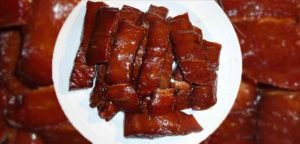
Cold Smoking & Lox
Cold smoking produces a very different type of product. The smoke is piped into the smoker from an outside source, and the fish is not exposed to the heat of the flame. The result is a delicate, moist product often called lox. Cold-smoked salmon is technically still raw, so the fish must be thoroughly frozen prior to smoking to eliminate parasites. Visit BC Centre for Disease Control (BCCDC) guidelines for raw fish for details.
❄️ Cold Smoking Brine
- 3 cups brown sugar
- 3 cups kosher salt (or enough to cover)
- 2 tablespoons pepper
- Optional: 2 tbsp dill, 2 tbsp lemon zest, 1 tbsp fennel seed.
🐟 Ready to Cold Smoke?
Now that you understand the equipment and safety required for lox, put it into practice. Use our community-favorite recipe for Lily’s Lox to achieve that perfect, translucent West Coast finish.
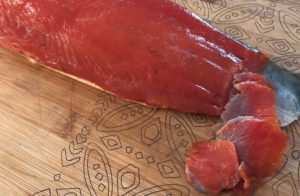
Equipment & Safety for Cold Smoking Salmon
At home, cold smoking is significantly more complicated than hot smoking. It involves building or buying a smoke generator and piping the smoke into a separate smoker box to ensure the fish is never exposed to the heat of a flame. Companies like Bradley make specific cold smoker adapters for this purpose.
When brining for cold smoke, use a non-metallic container and ensure no pieces are touching. Fully cover them with brine—a non-metallic weight can be used to keep them submerged. The final product should be delicate and moist, often served with bagels and cream cheese.
📊 Comparing Smoker Options
| Brand | Temperature Control | Auto Fuel Feeder | Cost | Summary |
|---|---|---|---|---|
| Big/Little Chief | None | None | Low | It works, but must be supervised |
| Masterbuilt 710 Digital | Yes (Mobile App) | Yes | Medium | A cost-effective unit with good features |
| Digital Bradley | Yes | Yes | High | Well-made, durable |
💡 Pro Tip: Cleanup & Sticking
Silicone mats made by Bradley can be placed on smoker racks to prevent the fish from sticking and aid in cleaning the racks.
The “Chief” style smokers (Big and Little Chief) have been a fixture on the Island for decades and have produced an astronomical amount of smoked salmon. These units are essentially “on or off,” meaning they have no internal temperature control aside from manually opening the door.
While these classic smokers certainly work, they must be constantly supervised. Modern digital units take the guesswork out of the process, and features like auto woodchip feeders mean you don’t have to babysit the smoker for 8+ hours. Whichever unit you choose, ensure it is stored away from rodents and bears between seasons.
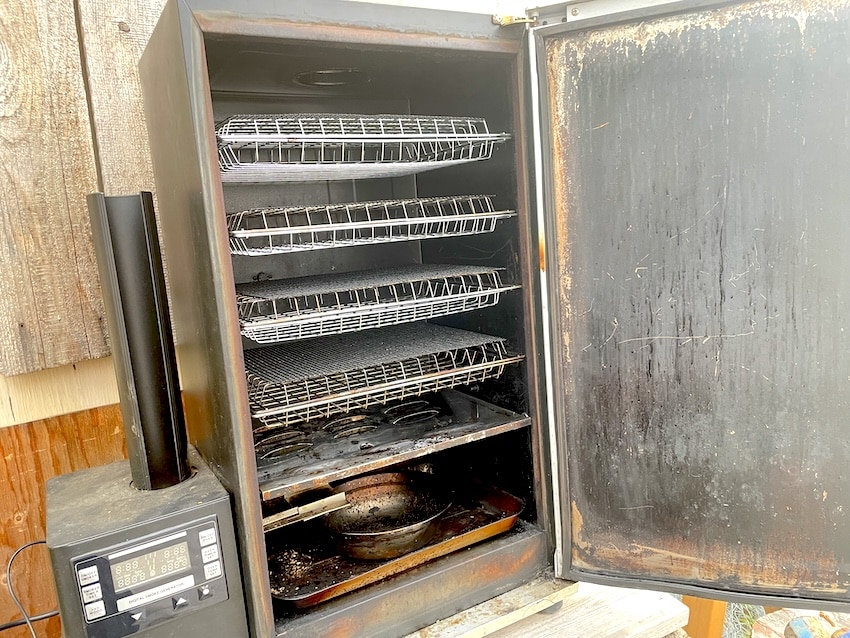
My well used Bradley for smoking salmon
The Importance of Temperature Control
Temperature control is vital to good smoked salmon. While traditional smokers like the Big Chief are simply “on or off,” modern digital smokers allow for the slow temperature rise that inhibits the production of albumin. Albumin appears as unappealing white streaks or paste on top of the fish when meat fibers contract from rapid heating.
🪵 Which Wood Chips to Use?
Alder: The classic West Coast choice; light smoky flavour.
Fruitwoods: Apple and cherry impart a more delicate smokiness.
Heavier Smoke: Oak or maple offer a more robust profile.
Never use evergreen trees (pine, fir, cedar) as they impart resinous flavours.
💡 Pro Tip: Smoke Quality
Once the wood chips are black and burnt, replace them with fresh chips. Burning blackened chips will produce a charred, unpleasant flavour in the salmon.
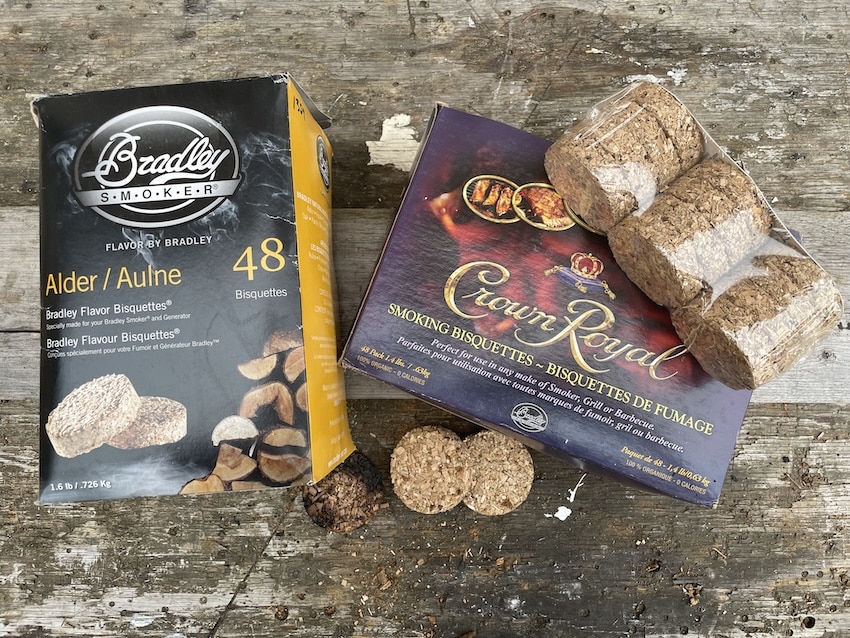
Personal favourite Bradley Chips for West Coast Smoked Salmon
A Note on Self-Produced Chips
In a pinch, you can produce your own chips using small, dry alder branches broken into pieces. The key is to strip all bark from the wood before use, as bark adds unpleasant, bitter flavours. However, most anglers find this is not worth the labor if store-bought chips are available.
Pro Handling & Finishing
Once smoking is complete, let the fish rest on the counter until cool before vacuum packing. Always check that your equipment is in good working order before you put your fish in the brine. Every fall, many people are forced to buy brand new smokers because they didn’t check their elements until the fish was already brined. Don’t let your wallet get smoked by being unprepared.
🥫 Beyond the Smoker
Once you’ve mastered these best practices, take the next step in West Coast self-sufficiency. Read our legendary guide to Canning Salmon Like the Pros and start building your winter larder today.
Words by Steve Vavrik who grew up smoking salmon as a staple. Island Fisherman Magazine — supporting local conservation and the West Coast lifestyle.