


This Smoked Salmon Recipe is a masterclass in West Coast tradition, designed for anglers who want a professional-grade cure with zero fuss. Perfected by Rick Jakimchuk, the method utilizes a unique Demerara and Montreal spice profile that moves beyond simple “salmon candy” into a deeper, savoury territory.
7 Expert Tips for the Ultimate Smoked Salmon:
- Precision Brining: Using a 6:1 Demerara to salt ratio.
- Savoury Depth: Adding Montreal Steak spice for a cracked-pepper finish.
- The 12-Hour Pellicle: Essential air-drying for smoke adhesion.
- Step-Heating: A 3-stage temperature climb to prevent “white ooze” (albumin).
- Moisture Control: Utilizing a water pan for cabinet humidity.
- The 145°F Anchor: Pulling the fish at the exact internal temperature.
- The Warm Seal: Vacuum packing while just warm to lock in oils.
The Science of the Smoked Salmon Recipe Cure
The foundation of any great smoked salmon recipe is the salt-to-sugar balance. By using Demerara brown sugar, you get a higher molasses content that stands up better to the smoke than standard white sugar.
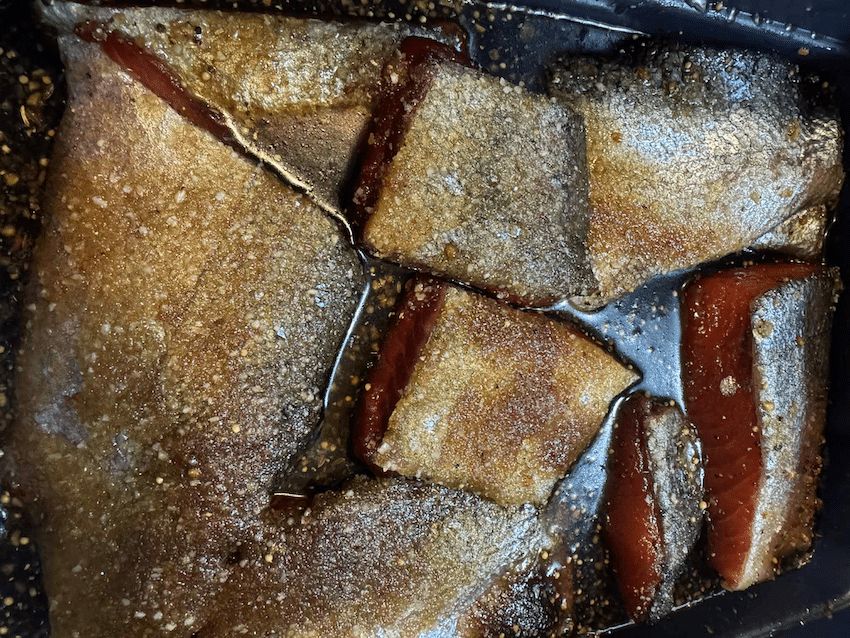
The 6:1 Demerara to salt ratio creates a natural brine that seasons the fish while preserving its firm texture.
Technique vs. Flavour
Before you rub your fillets, make sure you understand the difference between dry and wet brines in our Ultimate Smoking Salmon Best Practices Guide.
Perfecting the Smoke with Rick Jakimchuk’s Method
Rick prefers using a Bradley 6-Rack Smoker. The goal is a gentle climb: starting at 100°F (38°C) to take on flavour, moving to 140°F (60°C) to set the texture, and finishing at 175°F (80°C) for food safety and a perfect flake.
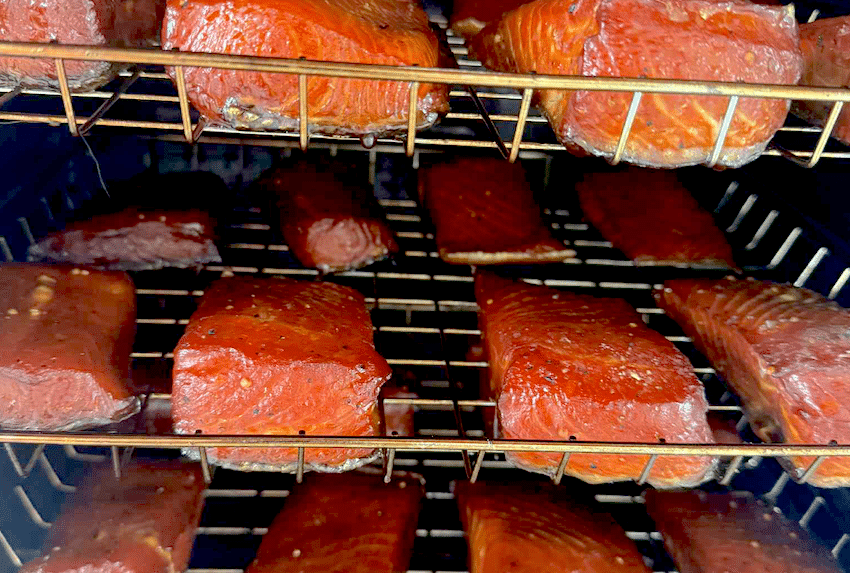
The three-stage temperature climb ensures a perfect set and vibrant colour without overcooking the delicate proteins.
Health Benefits of Smoked Salmon
Beyond the taste, this recipe preserves the high-quality Omega-3s found in wild Pacific salmon. See our Pacific Salmon Nutrition Guide for more.

Demerara & Montreal Smoked Salmon
Ingredients
Equipment
Method
- Mix the Demerara sugar, coarse salt, and Montreal steak spice in a 6:1 ratio.
- Massage the rub evenly over the salmon flesh (avoiding the skin).
- Cover or bag the fish and refrigerate for 12 hours to allow the dry-brine to draw out moisture.
- Rinse the fish briefly under cold water and pat completely dry with paper towels.
- Place the salmon uncovered on a rack in the fridge for 12 hours to air-dry.
- Ensure the surface is tacky to the touch; this "pellicle" is what allows the smoke to adhere and prevents albumin ooze.
- Preheat the smoker and load alder, apple, or maple pucks; smoke at 100°F (38°C) for 2 hours.
- Increase the heat to 140°F (60°C) for 3 hours to set the texture.
- Pull the fish immediately when the internal temperature of the thickest part reaches 145°F (63°C).
Nutrition
Notes
Expert Tips for Success
- Controlling Albumin: Keep that white "ooze" minimal by ensuring your pellicle is thoroughly dry and tacky before smoking. Using the gentle three-stage temperature climb (100°F to 140°F to 175°F) is the most effective way to prevent proteins from tightening too quickly.
- Humidity Secret: Placing a small pan of hot water on a lower rack during the 140°F (60°C) stage helps maintain cabinet humidity. This protects the delicate texture of the salmon without dulling the smoke uptake.
- Adjusting Salt/Sweetness: If your batch runs a bit salty, add a 10–15 minute cold-water soak after the initial 12-hour cure, then pat dry and resume the pellicle step. If you prefer a less sweet profile, you can cut the Demerara sugar by up to a third without affecting the smoking process.
- Wood Selection: Alder is the classic West Coast choice for a clean, sweet flavour. Apple and maple are excellent fruity alternatives. Avoid using hickory for salmon, as it can be too aggressive and "bulldoze" the natural flavour of the fish.The 145°F Anchor: Pull your salmon exactly when the internal temperature hits 145°F (63°C) to lock in moisture and prevent protein ooze.
Tried this recipe?
Let us know how it was!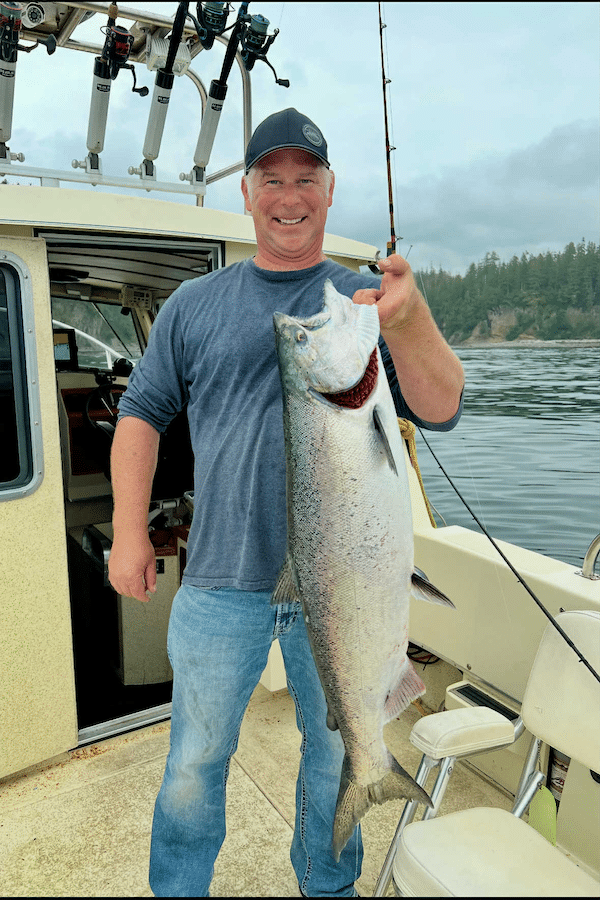
Rick Jakimchuk is a seasoned West Coast angler and smokehouse expert. His specialized “zero-fuss” method is the result of years spent perfecting the balance between traditional brine techniques and modern smoker technology.
When he isn’t at the smoker, you can find Rick on the water targeting Chinook and coho. For more tips or to share your results from this recipe, you can reach Rick directly at [email protected].