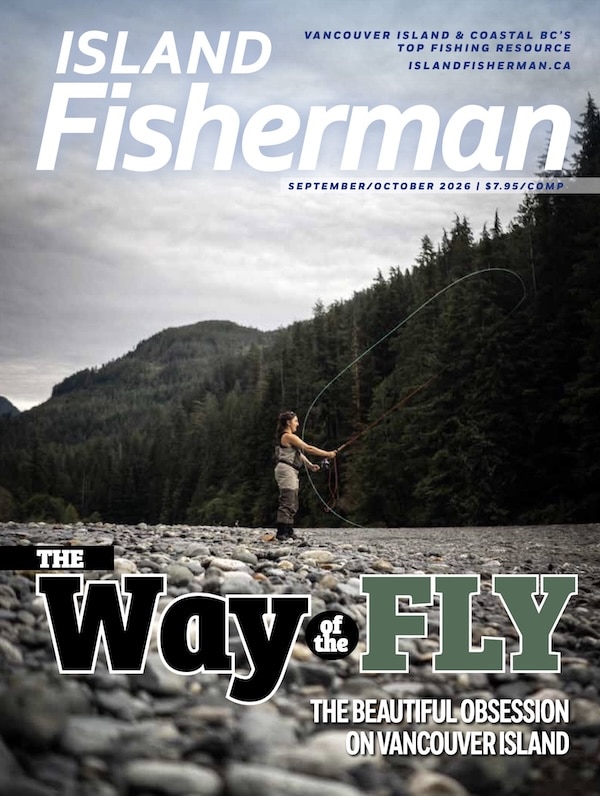


Salmon Fishing Survival Rally: Victoria Anglers Sound the Alarm Over Public Access
A crowd of concerned anglers resisted the temptation to go fishing, golfing, or spend time with their families on the first warm Sunday in April, choosing instead to attend the Salmon Fishing Survival Rally held April 19th at the Langford Legion.
The event was promoted and supported by the South Vancouver Anglers Coalition (SVIAC), the BC Wildlife Federation (BCWF), the Sport Fishing Institute of BC (SFIBC), the Public Fishery Alliance (PFA), and the BC Federation of Drift Fishers (BDFDF). Another half dozen regional angling associations also supported this Victoria session, as well as similar town halls across the Lower Mainland and Vancouver Island.
Critical Concerns at the Salmon Fishing Survival Rally
Some background is required to understand the urgency of this gathering. By November 2025, concerns were already circulating through BC’s recreational marine and freshwater Chinook salmon fisheries. Anglers questioned if DFO was considering even more severe measures to address conservation concerns for Fraser River spring and summer runs of Chinook salmon.
These Upper and Middle Fraser River stocks were already constraining all fisheries along the Fraser, and were responsible for Chinook-non-retention (CNR) over large swathes of southern BC’s prime fishing waters. CNR begins April 1st and can run as long as July 31st in some areas, significantly impacting up to 4 months of the most important spring and summer fishing season. Recreational fishing advisors have presented science-based options to provide more angling opportunities for Chinook retention, yet 2026 marks the 8th year these regulations will be in effect, with severe negative economic impacts.
The second major issue involves potential additions to Southern Resident Killer Whale (SRKW) regulations. These come into effect when SRKWs are first observed in southern BC waters and can remain in place until November, often overlapping CNR regulations and further impacting angling opportunity. DFO has been slow to provide justifiable relief from CNR and resistant to science-based regulations that protect whales while permitting reasonable fishing options.
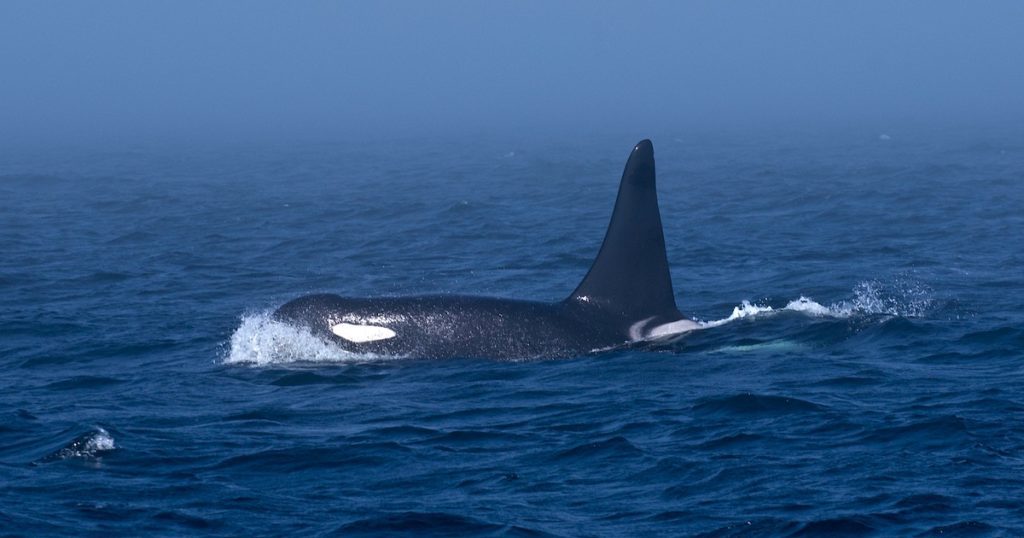
Southern Resident Killer Whales SRKW Photo: Dan Kukat, Springtide Charters
Threats to Allocation and Rights
In response to these concerns, angling organizations held emergency town hall meetings starting in November 2025. Between then and April 2026, additional troubling issues surfaced. First was the concern regarding Canadians losing their common law access to salmon. Second, First Nations and commercial fisheries were recommending changes to the 1999 Salmon Allocation Policy (SAP) so that recreational fishing priority access to Chinook and Coho would be transferred to the commercial salmon fishery.
The 1999 SAP prioritized access based on the best economic use of the resource after conservation and constitutionally protected fisheries were taken into account. Changes here could destroy angling expectation, opportunity, and business certainty.
Economic Reality: Purdy and Paish Present the Data
Andrew Purdy, owner of Mill Bay Marine Group, delivered an education in economics, focusing on the importance of certainty for business survival. He illustrated how destructive current regulations are to small coastal communities like Port Renfrew, noting that broken trust has turned willing partners into skeptics.
Martin Paish, Director of Sustainable Fisheries for the SFI, dug deep into DFO-produced economic data comparing the recreational and commercial sectors. The results are stark: the recreational salmon fishery generates $241 million in GDP and 2,448 jobs, compared to $12 million in GDP and 881 jobs in the commercial salmon fishery. Total recreational fishing activity in BC is worth $1.276 billion and supports 9,110 jobs.
| Economic Metric | Recreational Salmon | Commercial Salmon |
|---|---|---|
| Gross Domestic Product (GDP) | $241 Million | $12 Million |
| Jobs Supported | 2,448 | 881 |

About the Data: This infographic compares official 2023 economic figures released by Fisheries and Oceans Canada (DFO). The commercial data highlights “landed value” and export trends, while the recreational data is based on total angler expenditures and GDP contributions, including insights from the 2023 ISEA survey of Tidal Water Recreational Fishing. All values are represented in 2023-equivalent dollars.
Paish concluded that the recreational fishery has overwhelmingly generated more value from far less salmon caught, and is the only fishery with a mandatory requirement to put dollars back into salmon recovery.

Martin Paish, SFI
Legal Grounds and Political Advocacy
Jesse Zeman, BC Wildlife Federation Executive Director, argued for retaining the common law principle in the revised SAP, explaining that salmon are a common property resource belonging to all Canadians. He cited the Magna Carta as its legal origin, noting that the Minister’s role is to ensure salmon are managed for the benefit of all.
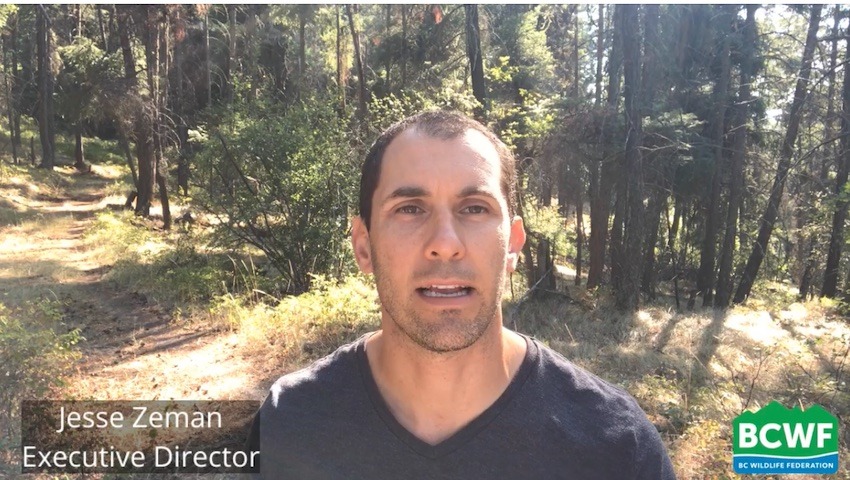
Jesse Zeman Executive Director, BCWF
The rally featured a knowledgeable panel of angling representatives moderated by Chris Bos. Conservative MP Tamara Kronis and Nicole Timmermans (assistant to MP Jeff Kibble) pledged their support, urging anglers to keep up the political pressure. Noticeably absent were the two Liberal MPs from the Greater Victoria area.
The overarching message from the rally was clear: leave nothing to chance and keep applying pressure on MPs until the Minister makes the right decisions.