

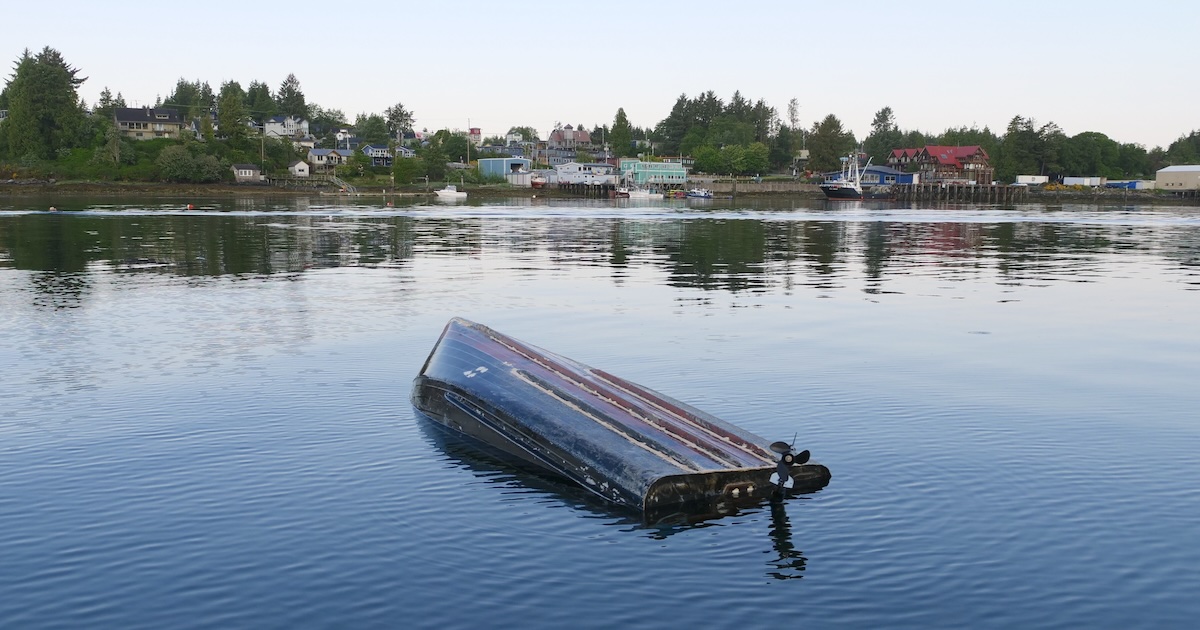
Falling overboard is more than just embarrassing—it is one of the leading causes of boating fatalities in Canada. According to the Canadian Red Cross, falling overboard accounts for 26% of boating deaths, second only to capsizing.
In these panic-inducing moments, getting back on the boat is harder than you think. Cold water shock can sap your strength in minutes, making it nearly impossible to pull your own weight up over a wet gunwale. This is why a reboarding device is not just a good idea; it is mandatory safety equipment under Canadian law.
The 0.5 Metre Rule
Under Transport Canada’s Small Vessel Regulations, any boat with a “freeboard” (the vertical height you must climb to reboard from the water) that exceeds 0.5 metres (1’8”) must have a compliant reboarding device on board.
What Counts as a Reboarding Device?

Photo: Joel Unickow
Most boats with swim platforms or pods have built-in ladders, which satisfy the requirement. However, if your boat doesn’t have one, you need to purchase or fashion an approved alternative.
Definition: Section 1 of the regulations defines a reboarding device as a ladder, lifting harness, or other device that assists a person in gaining access to the vessel from the water.
Important Restriction: You cannot count the boat’s propulsion unit (outboard motor or stern drive) as a step. It is unsafe and does not meet legal requirements.
Why You Need a Backup Plan
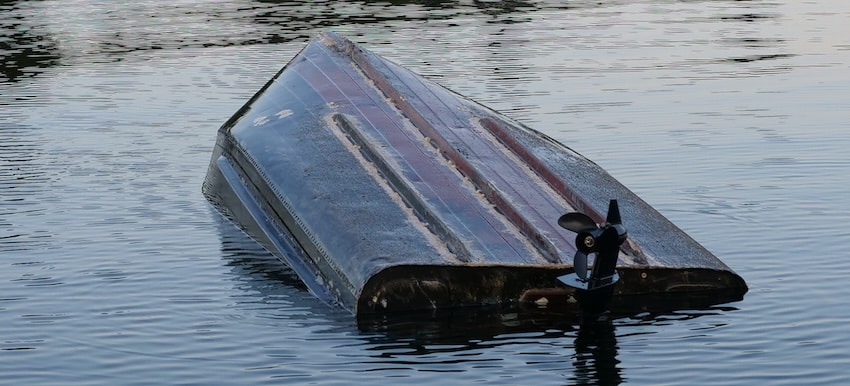
In August 2023, I was on a fishing trip where we had to assist a man who had flipped his aluminum boat. He was a large man, and even with help, reboarding was exhausting and difficult. It made me realize: What if our main ladder had broken?
Equipment fails. Ladders get jammed. It is vital to have a redundancy plan.
The “Rope Ladder” Trick
Transport Canada suggests a simple, effective backup: a dedicated line or rope. However, a single straight rope is often too slippery and difficult to climb.
The Fix: Create a makeshift rope ladder by tying loops into a sturdy dock line.
Deployment: Secure it to a strong cleat (avoid the rail, which may bend under weight).
Tip: Ensure the rope is long enough that the bottom loop sits well below the water surface, allowing you to step up into it rather than pulling yourself up to it.

Check your freeboard height today. If it’s over 0.5 metres, ensure you have a reboarding device that is functional, accessible, and ready to deploy in seconds.
Luck favours the prepared.
This article appeared in Island Fisherman magazine, never miss another issue—Subscribe today!