
NANAIMO, B.C. – The recent diesel spill in the waters between Nanaimo and Mudge Island has sent a wake of concern through the Gulf Islands’ fishing and conservation communities. Discovered in early January 2026, the incident has highlighted the vulnerability of the Salish Sea’s sensitive coastlines and triggered immediate emergency closures for local shellfish harvesters.
The Incident: What Happened?
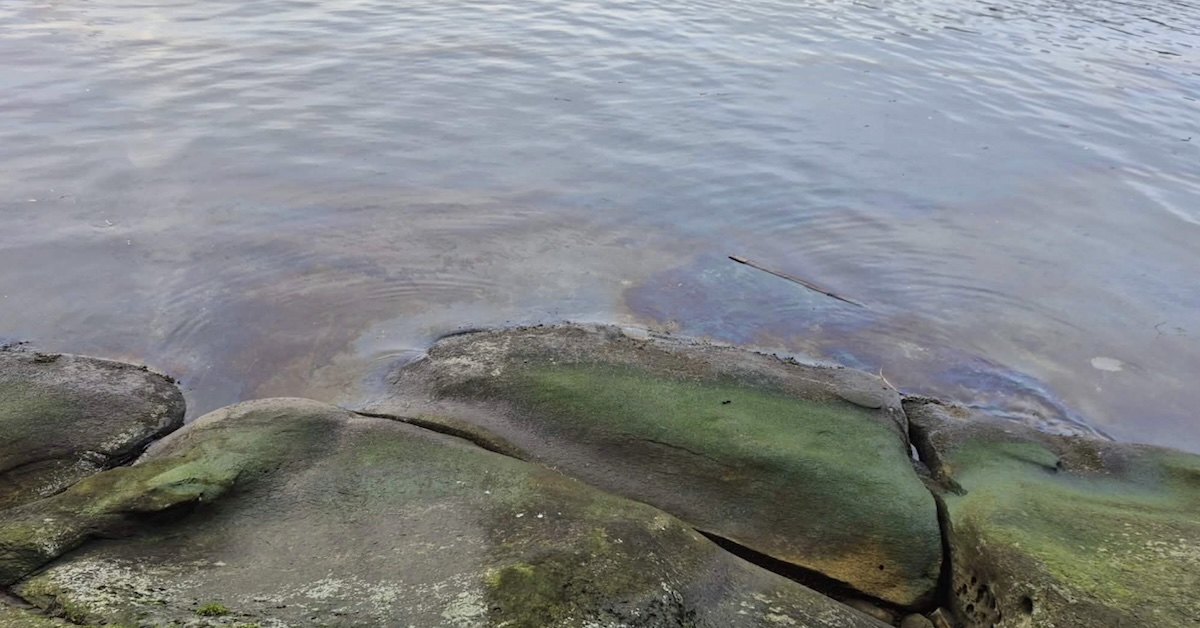
The alarm was first raised on Monday, January 5, 2026, when local residents and boaters reported a “very strong diesel smell” and a visible oil sheen near Cable Bay. Observations by locals, including members of the Save Cable Bay advocacy group, described an oily film coating rocks and foreshore areas that are known habitats for seals, ducks, and shorebirds.
By Tuesday, January 6, the B.C. Ministry of Environment and Parks and the City of Nanaimo were on-site. An aerial surveillance flight conducted by Transport Canada’s National Aerial Surveillance Program confirmed the scale of the disaster, estimating that between 350 and 1,600 litres of oil sheen had spread across the surface of the water between Duke Point and Mudge Island.
Emergency Bivalve Closures
In response to the spill, Fisheries and Oceans Canada (DFO) has implemented an emergency chemical contamination closure for bivalve shellfish in the affected areas.
-
Closure Area: Specifically affecting portions of Subarea 17-15 (Northumberland Channel) and waters surrounding Mudge Island and Cable Bay.
-
Species Affected: All bivalve shellfish, including clams, oysters, mussels, and scallops.
-
The Risk: Bivalves are filter feeders; they process large amounts of water and can quickly accumulate toxins from diesel fuel in their tissues. Consuming shellfish from these areas currently poses a significant health risk.
Harvesters are urged to check the DFO Real-time Shellfish Map before heading out, as these closures can remain in place for weeks or months while tissue sampling is conducted.
Identifying the Responsible Party
Investigators traced the source of the spill back to a private commercial environmental waste operation located within the Duke Point Industrial Park. The facility—which handles used oil and battery recycling—allowed petroleum-based material to enter a municipal storm drainage culvert. This culvert acted as a direct conduit, carrying the contaminants from the industrial site and discharging them into the marine environment at Cable Bay.
While the specific name of the business has not been officially released due to ongoing investigations, the province has confirmed that the “polluter-pay” principle is in full effect. Under B.C. law, the responsible party is legally required to implement and fund the entire assessment and cleanup process.
Damage Estimations and Ecological Risks

Residue of the oil spill wiped off rocks near Cable Bay by resident Jackie Wasyluk. Photo: Jackie Wasyluk
The spill occurred in a “highly sensitive” area.
-
Wildlife: Immediate concerns were raised for marine mammals and birds. Cable Bay is a frequent stop for orcas and a primary feeding ground for local seal populations.
-
Infrastructure: The City of Nanaimo reported that municipal storm infrastructure has been contaminated and will require professional restoration.
-
Long-term Impacts: While diesel evaporates more quickly than heavy crude, it is highly toxic. It can settle into the sediment and coat intertidal life—a significant concern for the Snuneymuxw First Nation, who are observing the response closely.
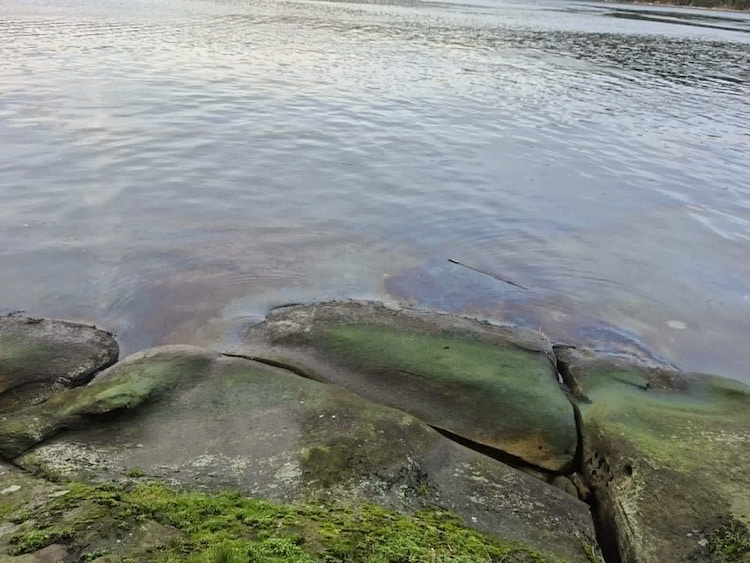
Rainbow Sheen Photo: Cable Bay Facebook Group
Current Situation and Cleanup Status
As of mid-January 2026, the situation is being described as “contained.”
-
Containment: A 300-metre boom was successfully deployed to stem the outflow from the contaminated culvert.
-
Mitigation: Sorbent pads and specialized divers have been used to remove oily residue from the water and the foreshore.
-
Monitoring: The Ministry of Environment continues to monitor the site. Officials report that no new material has been detected outside the boomed area since the initial response.
References & Further Reading
-
Official Incident Report: B.C. Ministry of Environment – Rainbow Sheen Nanaimo
-
DFO Shellfish Closures: Area 17 Bivalve Contamination Information
-
News Coverage: NanaimoNewsNOW: Response continues to Nanaimo area oil spill
-
Local Community Impact: CBC News: Oil spill reported near Nanaimo ferry terminal
- Island Perspectives: The Gabriola Sounder: Oil slick identified between Duke Point and Mudge Island