

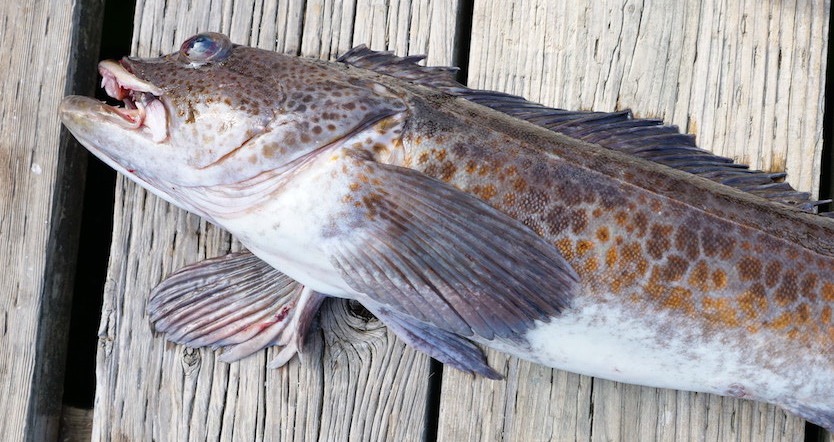
How to Find Lingcod: Expert Sounder and Charting Tips
The beginning of May marked the start of the highly anticipated lingcod fishery on the East Coast of Vancouver Island. With voracious appetites, these hard-hitting predators make for excellent sport, but their preference for highly structured habitat presents challenges to the unprepared angler.
Your chart plotter and sounder are extremely useful tools for how to find lingcod habitats and planning a strategy to target these toothy piscivores.
Using MFD Electronics to Locate Lingcod Habitat
A modern multifunction display (MFD) combines a GPS receiver with a chart display and a depth sounder. When combined, these three data sources become a very potent tool for the ling hunter.
An accurate GPS sensor with 10 Hz refresh rates keeps you aware of your precise position in regards to drop-offs, ledges, rock piles, and reefs. A dedicated external GPS antenna provides the best accuracy, while a built-in heading sensor keeps your boat pointed in the right direction regardless of wind or current.
Analyzing Sonar Charts for Steep and Rocky Structure
Now that we know where we are, what are we looking for? Steep and rocky. A good set of charts helps us eliminate ocean floor that does not meet these criteria. With modern sonar-generated charts, we can view bottom contour intervals as small as one foot.
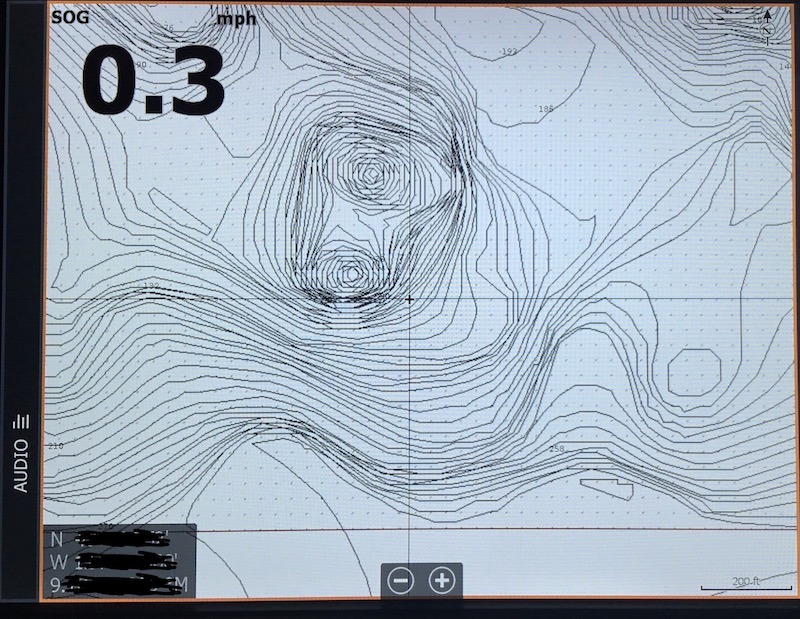
Focus on areas showing closely spaced lines and irregular intervals. If there’s kelp nearby, all the better, as it concentrates forage fish that keep lingcod nearby. Avoid flats or sand/mud bottoms; one percent of the ocean floor holds ninety-nine percent of the fish.
Proven Drifting Techniques for Lingcod
Bouncing a jig in high-topography areas can be an expensive habit if not done strategically. To master how to find lingcod effectively, you must understand your drift.
- Approach the Spot: Put engines in neutral and let the tide or wind push you.
- Plan Your Path: Select a spot that allows you to drift from shallow to deep water.
- Stay in the Strike Zone: Drifting toward deeper water and letting line spool out keeps your bait or jig on the bottom without snagging as easily.
- Use Lingcod Swimbaits: The action highly attractive.
Waypoint Secrets: Marking Your Catch
The final ingredient is your sonar. In shallower waters, use high-frequency imaging to identify gear-grabbing obstacles like weed beds or sunken debris.
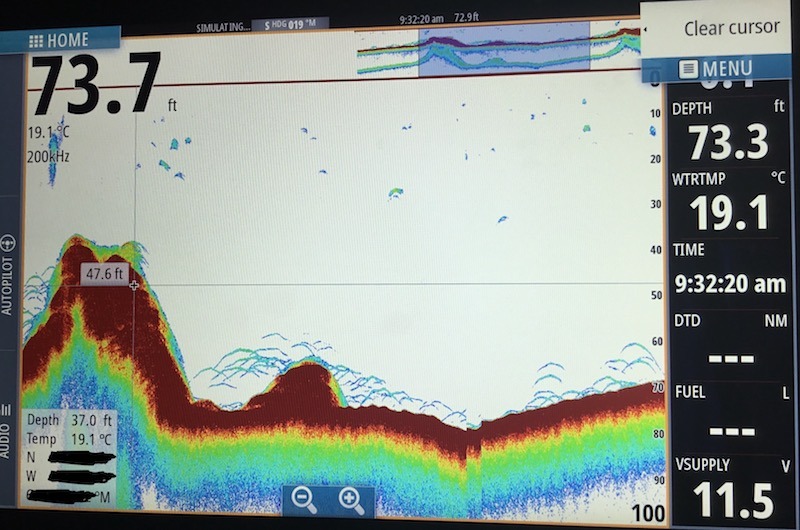
A modern touchscreen MFD allows you to pause the sonar, scroll back through history, and place a cursor over areas of interest to mark a waypoint right on top of fish-holding areas.
Pro Tip: Always mark a waypoint where your fish was hooked. When a lingcod is removed from a prime ambush spot, another will often move in to occupy the same location.
I hope I’ve provided you with a few new tools for your fishing arsenal. As always, enjoy your time on the water, practice safe boating habits and please respect the ban of fishing in Rockfish Conservation Areas.
How to Find Lingcod and Prepare the Best Meals
Once you’ve mastered how to find lingcod, the next reward is in the kitchen; this fish is a nutritional powerhouse. While often compared to halibut, lingcod offers a slightly firmer texture and a unique, sweet flavor profile. In terms of nutrition, it is a lean source of high-quality protein and essential Omega-3 fatty acids. Regarding mercury concerns, lingcod—especially smaller “keepers” under 15 pounds—typically carries lower levels than older, larger halibut, making it a safer frequent choice for the dinner table.
When it comes to preparation, lingcod is more forgiving than halibut because its slightly higher oil content prevents it from drying out as quickly. The best way to prepare fresh lingcod is to keep it simple: pan-sear in butter with lemon and garlic, or deep-fry in a light beer batter for the ultimate Vancouver Island fish and chips. Because the flakes are large and moist, it also holds up beautifully in fish tacos or hearty seafood chowders.