

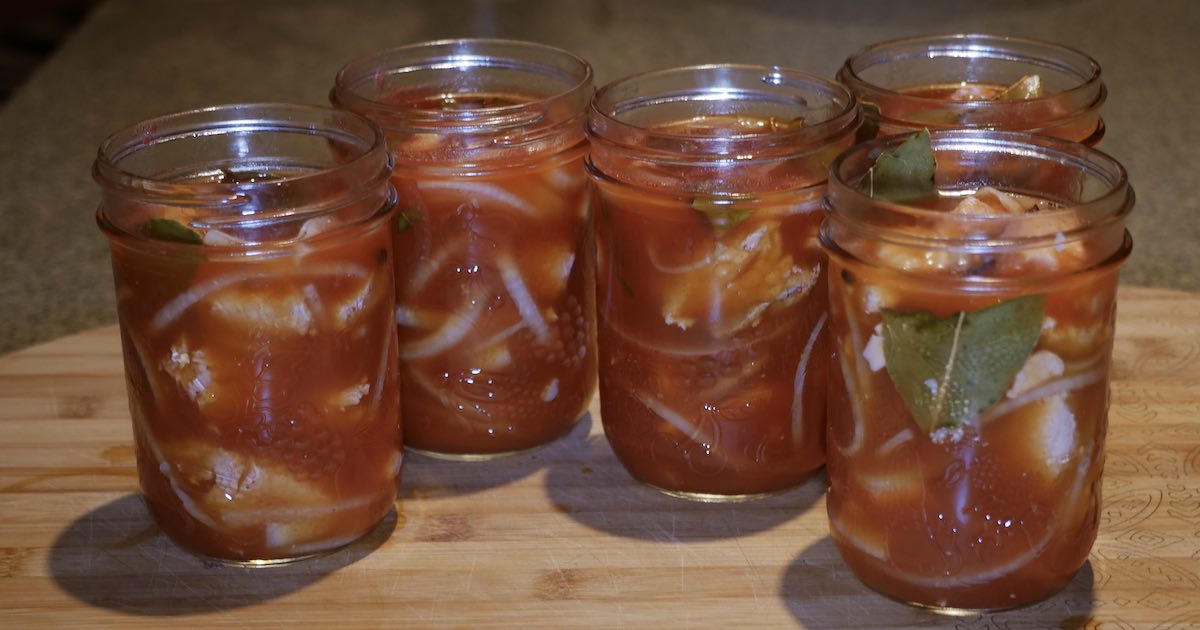
If you are searching for a foolproof pickled salmon recipe that will completely change how you preserve your hard-earned West Coast catch, this Tofino-inspired version is it.
While vacationing in Tofino on Vancouver Island a few years back, we had an unforgettable dinner at the acclaimed Wolf in the Fog. My wife ordered her favorite cocktail—a classic Canadian Caesar. To our surprise, it did not arrive loaded with greasy bacon, sliders, or an entire salad bar. It came garnished with a single, glistening strip of tangy pickled salmon. One bite, and I was hooked on crafting the best homemade pickled salmon recipe possible.
Ever since that trip, perfecting this pickled salmon recipe has been a continuous staple in our home kitchen. While every generational angler and coastal lodge cook has their own distinct twist, this balanced sweet-and-tangy brine brings out the best in Pacific salmon without overpowering the natural richness of the fish.
If you have never pickled salmon at home, you will kick yourself once you realize how effortless it is. Unlike hot water bath pressure canning, cold-brine pickling requires no heavy equipment. It turns firm fresh or frozen fillets into a crowd-pleasing appetizer that will disappear within minutes at any gathering.
THE DEBATE BEHIND THE PERFECT PICKLED SALMON RECIPE
Across coastal British Columbia, home cooks fall into two distinct camps when preparing a traditional pickled salmon recipe. Understanding these culinary differences helps you tailor the brine to your exact personal taste:
| Culinary Parameter | Camp A (Traditional Sharp) | Camp B (Balanced Sweet & Rich) |
|---|---|---|
| Fish Preparation | Cold Acid Cure: Raw salmon is pickled directly in salt and vinegar. | Flash Blanch: Fillets are poached for 60 seconds to firm up texture. |
| Brine Base | Clear Brine: White vinegar, pickling salt, sugar, and whole peppercorns. | Tomato Base: Adds a dash of ketchup or brown sugar for rounded body. |
| Vinegar Selection | White Distilled: Provides a crisp, pungent, traditional Scandinavian bite. | Apple Cider Vinegar: Imparts a subtle fruit undertone and softer acidity. |
| Onion Layering | Red Onion: Delivers sharp spice and turns the brine bright magenta. | Sweet Vidalia / White: Melts seamlessly into the pickling liquid. |
Regardless of which camp you prefer, any authentic pickled salmon recipe demands generous layers of thinly sliced onions. As the jars cure in the refrigerator, the onions soften into crisp, savory pickled ribbons that pair wonderfully with the cured fish on crackers.
When preparing raw wild Pacific salmon without heat canning, you must manage naturally occurring marine parasites (Anisakis nematodes). According to Health Canada and CFIA guidelines, all wild-caught salmon intended for cold-cured pickling must be frozen solid at -20°C (-4°F) for at least 7 days (or -35°C for 15 hours in a commercial deep freeze) prior to preparation. Never pickle freshly caught, never-frozen wild salmon without heat blanching.
CHOOSING SALMON SPECIES FOR THIS PICKLED SALMON RECIPE
While nearly any fresh catch can be jarred, meat density and oil content dramatically influence the final result of your pickled salmon recipe:
- Chinook (Spring) & Coho: Ideal selections featuring firm flesh and moderate oil content that holds clean cube shapes in the jar.
- Sockeye Salmon: Renowned for its deep crimson color and tight muscle grain, resulting in an eye-catching presentation.
- Pink & Chum Salmon: Excellent candidates for pickling. Leaner flesh readily absorbs the seasoned brine, turning river-caught salmon into a delicacy.
Beyond flavor, wild salmon delivers clean proteins and essential omega-3 fatty acids. You can explore complete nutritional profiles in our Pacific Salmon Nutrition Guide.
STEP-BY-STEP RECIPE INSTRUCTIONS
Sterilize your wide-mouth glass mason jars, chill your salmon cubes, and follow our tested measurements and brining steps below:
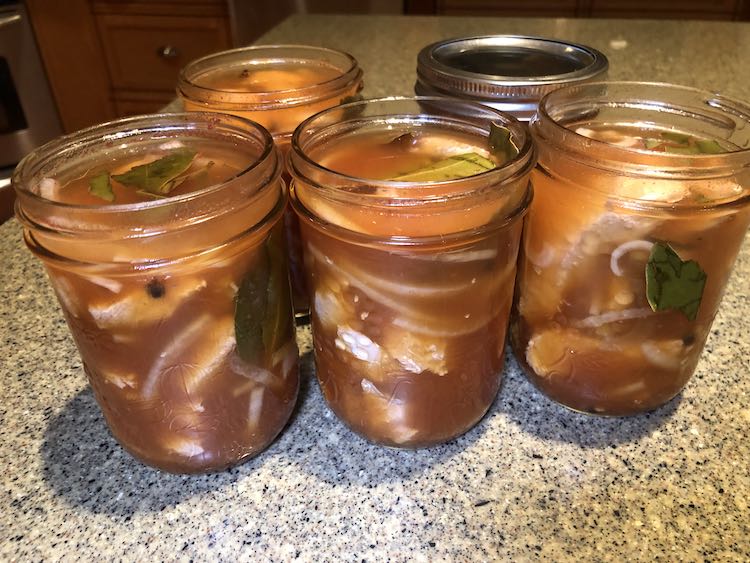
Pickled Salmon - Island Fisherman Style
Ingredients
Equipment
Method
- In a large pot, bring water to a boil.
- Blanch the salmon so it firms up. I find that 2 to 3 min is good; some people opt to boil it for longer, while others don’t boil it at all. Remove the salmon and dry it well on paper towel.
- Prep the onions, the salmon, and the pan with your sauce.
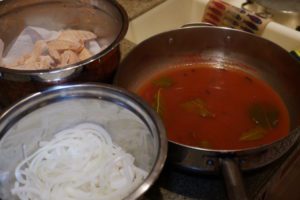
- Layer the salmon and onions in the mason jars, being careful not to pack too tight. Be sure to leave room for liquid.
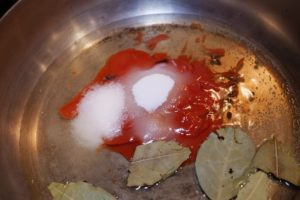
- In a large saucepan bring the water, ketchup, vinegar, sugar, salt, peppercorns, bay leaves, and cloves to a boil.
- Carefully pour the mixture into the jars, ensuring all contents are covered. Note: If you run low of the mixture you can top up with a little water, or just make more.
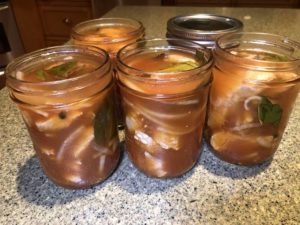
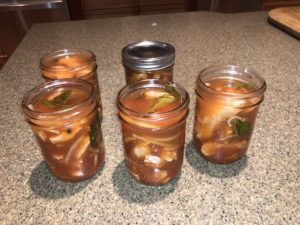
- Rest the jars until they are room temperature. Seal the jars and refrigerate for 4 days.
Nutrition
Notes
Tried this recipe?
Let us know how it was!- Health Canada Safe Food Handling: Official temperature standards and freezing guidelines for domestic fish preservation.
- Wolf in the Fog Tofino: Award-winning West Coast culinary inspiration celebrating local wild seafood.
- Submit Your Recipe to IFM: Share your family fish recipes and coastal preparations with our community.
MORE WEST COAST SALMON GUIDES
Expand your culinary skills and fish preservation know-how:

Publisher & Angler, Island Fisherman Magazine
Joel Unickow is the publisher of Island Fisherman Magazine, avid West Coast angler, and culinary explorer dedicated to sharing authentic angling methods, seafood recipes, and conservation coverage across Vancouver Island and British Columbia. Connect with the IFM community and subscribe at Island Fisherman Magazine.