
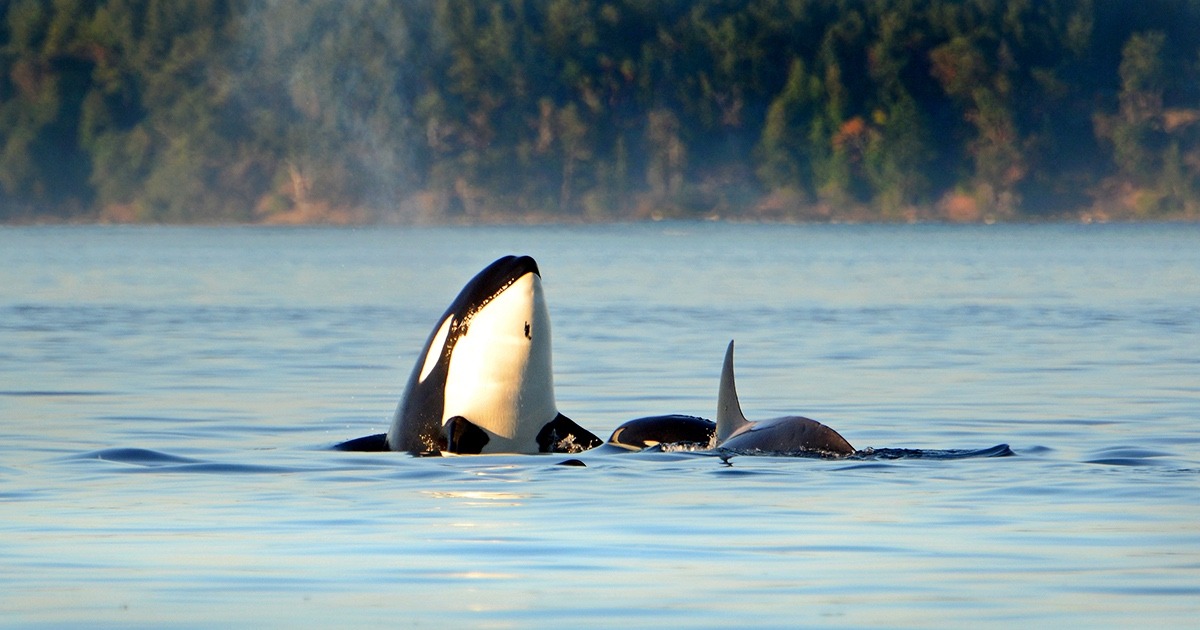
There’s been a lot of unrest in the British Columbia sport fishing industry about the latest DFO proposals impacting access under the banner of protecting Southern Residence Killer Whales (SRKW). The biggest concern being a proposed Chinook closure in area 123 all the way around south Vancouver Island to the Gulf Island in Area 18.
These measures, enacted to address prey availability, carry significant economic and social consequences for coastal communities, and require immediate public scrutiny. However, the direct consultation period that is underway, is not for the public.
What Did the DFO Say?
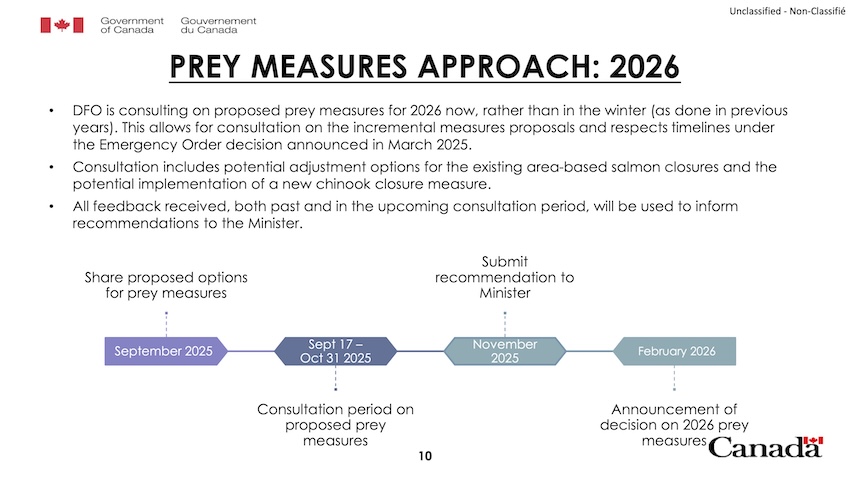
When I asked the DFO about the October 31 deadline, they stated that, “DFO is consulting through established Southern Resident Killer Whale advisory groups and bilaterally with associated Indigenous groups and stakeholders, including the Sport Fishing Advisory Board (SFAB) and Committees (SFAC). There is no public consultation component.
Recreational harvesters can provide feedback through local SFAB and SFAC representatives, with whom DFO is meeting throughout the consultation period to discuss proposed options for 2026. A list of SFAB representatives by area can be found here: https://www.pac.dfo-mpo.gc.ca/consultation/smon/sfab-ccps/membs-eng.html.
Fisheries and Oceans Canada (DFO) is currently consulting on the prey-related incremental measures outlined in the March 2025 decision to decline an Emergency Order between September 17 and October 31, 2025. The proposed prey measure options to address the key threat of prey availability include spatial and temporal adjustments to existing area-based fishing closures in Swiftsure Bank, Juan de Fuca Strait, southern Gulf Islands and near the mouth of the Fraser River and a Chinook closure in Southern Resident Killer Whale critical habitat.”
“Wait, Lack of Prey?”
The argument is that SRKW main prey is Chinook, there is an abundance crisis, and that stopping sport fishing will feed the whales—sport fishermen take too many. The problem, as it has been for several years now, is this argument has been politically motivated rather than science based. There are plenty of articles and reports that prove abundance, but to sum it up—there is no lack of prey. In fact, there is an abundance of Chinook (and other salmon), the likes that haven’t been seen in over 20 years. And as for the impact of sport fisherman, anglers take less than 10% of the annual salmon harvest as it is.
Published in the March/April 2025 issue of Island Fisherman magazine, Jeremy Maynard, a certified tidal angling guide since the 1970s, points out that based on the DFO’s Salmon Outlook released in late January [2025], “The Salmon Outlook takes major stock groupings and provides a ranking from 1 (poor) to 4 (abundant). The good news is that all the main hatchery stocks of Chinook on both the east and west coasts of Vancouver Island are ranked a 3 or a 4. Additionally, the principal hatchery Chinook stocks in the lower Fraser River area have an Outlook ranking of 4.”
PSF State of Salmon 2025: Chinook Abundance
One only needs to refer to the 2025 State of Salmon report, published by the Pacific Salmon Foundation. Spawner abundance for Chinook surrounding this area is incredibly abundant:
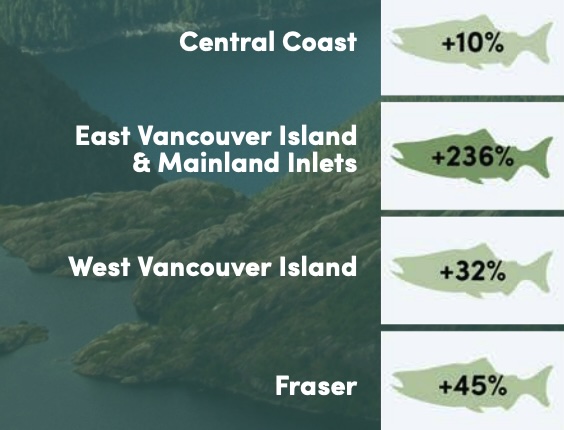
PSF Spawner Abundance 2025: “Each fish icon shows the per cent difference in current spawner abundance over the most recent generation compared to their long-term averages.” – PSF State of Salmon 2025 Report
Any guide who spends their entire time on the water, will tell you that these past few years have been incredible and DFO data agrees.
If there is so much prey, why would the DFO propose closures?
The answer is that sport fishermen are an easy political target—they don’t organize and fundraise like environmental non-government organizations (ENGOs) do. Selling the idea that the whales are starving is an easy pitch to a layman (and a voter). Who wouldn’t want to save a whale and donate a few bucks? And when the folks back in Ottawa implement a closure, they can say, “look, we did something”. There seems to be a lack of understanding that sport fisherman take a very small percentage of fish, and these measures do nothing to help whales. Think of it like taking one french fry out of happy meal and telling your doctor you are watching what you eat.
Industry Frustration and Deep Unrest
BC Recreational Fishing Association Meeting
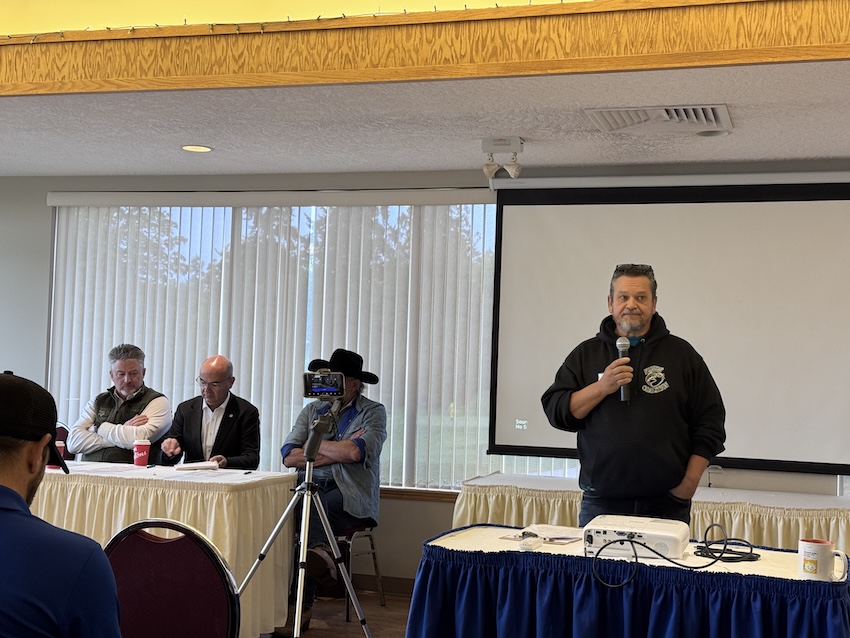
On October 19, 2025, nearly 300 concerned stakeholders—including guides, lodge owners, and marina operators—met at the Duncan Meadows Golf Course. Driven by concerns over the potential loss of livelihoods and local culture, they appealed directly to local MP Jeff Kibble. They urged him to press the House of Commons for public transparency and address proposals that would devastate tourism-reliant sport fishing towns like Port Renfrew by disregarding critical scientific data. Also in attendance was Conservative Shadow Minister for Hunting, Fishing and Conservation, Blane Calkins. Jeff Kibble took a petition back to Ottawa with signatures from those in attendance.
Spotted on his Facebook post, he stated “Dropped off my first petition to be certified with the Clerk today! BC Recreational Fishing Association is asking for widespread consultation with a clear intent for science-based results to ensure we protect our Southern Resident Killer Whales while also protecting the multi-million dollar fishing industry in Port Renfrew. After this petition gets certified I will have the chance to introduce it in the House of Commons which I look forward to doing later this week.”
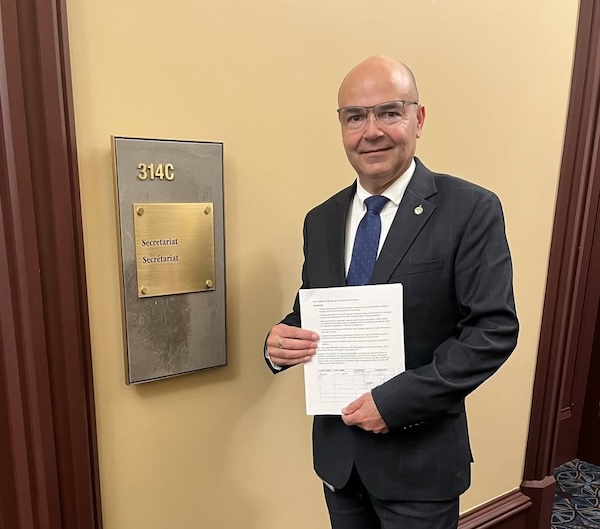
Jeff Kibble, Facebook October 20, 2025
Blane Calkins said, “If you earn a living or simply enjoy recreating in Canada’s great outdoors, what’s happening on our West Coast should concern you. While salmon stocks are strong, anglers, guides and lodges face uncertainty with closures that threaten their livelihoods and entire coastal economies. There’s more than enough salmon for everyone, so why are our fishers paying the price?”
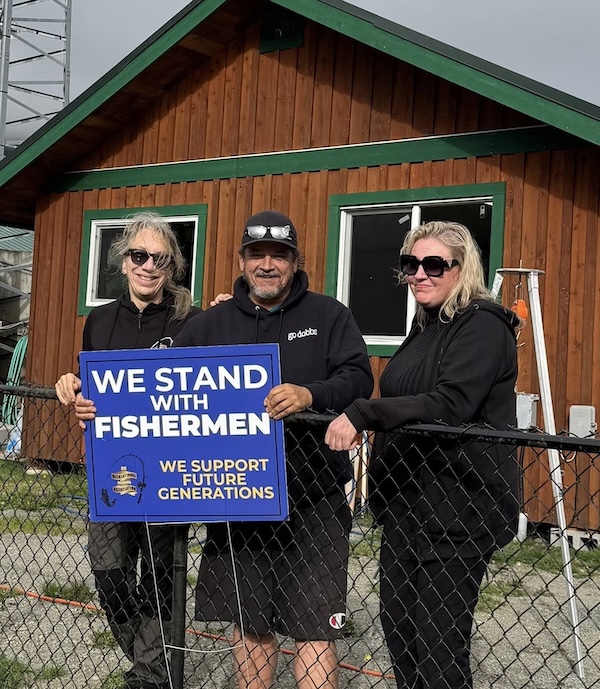
BC Recreational Fishing Association event organizers and Board of Directors: VP Gayle Gordon (L), President Mark Roberts (C), Dir. of Research Cynthia Carlsen (R)
Back in 2019, Rob Alcock, President of the Sport Fishing Institute of BC, pointed out that, “The sport fishery is the single largest economic driver of all BC fisheries, even though anglers take less than 10% of the annual salmon harvest.” Further, “The BC public fishery and related businesses provide perhaps the best example of how important fisheries related activity is to us. On average, more than 300,000 BC recreational fisheries licenses are sold each year, making it both one of the most popular pastimes for residents and a key component of our sustainable tourism economy. According to statistics provided by BC Stats, this fishery produces $1.1 billion in annual sales and has created more than 9,000 jobs and 3,950 person-years of employment, resulting in a $398 million contribution to the province’s Gross Domestic Product.”
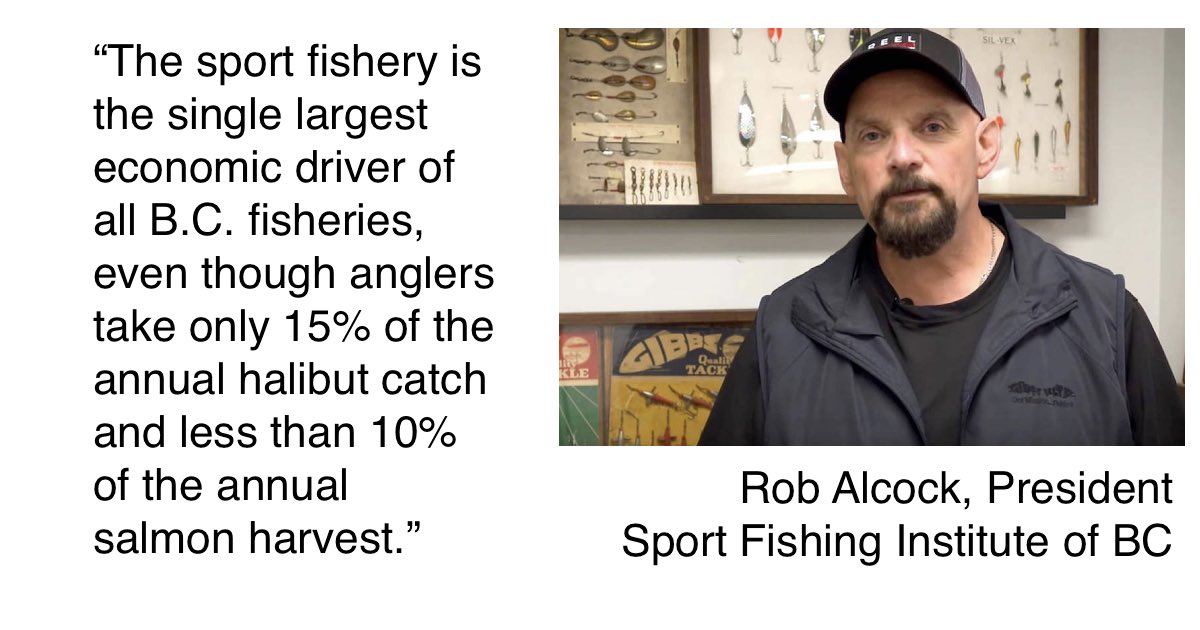
Rob Alcock, President Spot Fishing Institute of BC
What do Anglers and Stakeholders Think?
In May 2025 Island Fisherman magazine published survey results about Coastal BC Fisheries Management from 577 participants. These results appeared in the March/April issue of Island Fisherman magazine and can also be downloaded as a 1 page PDF here.
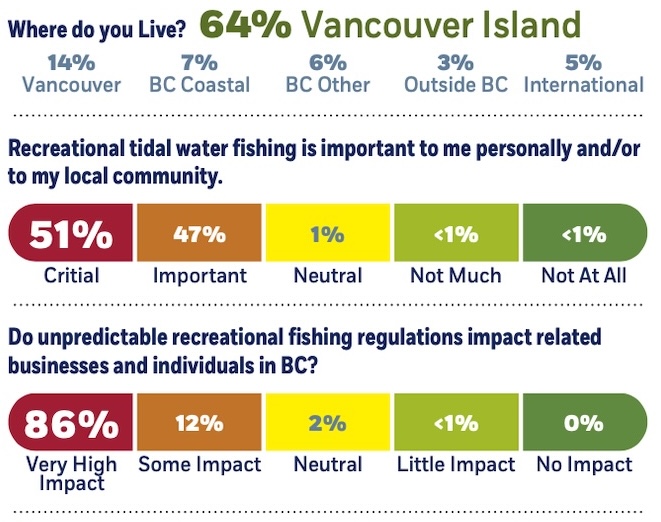
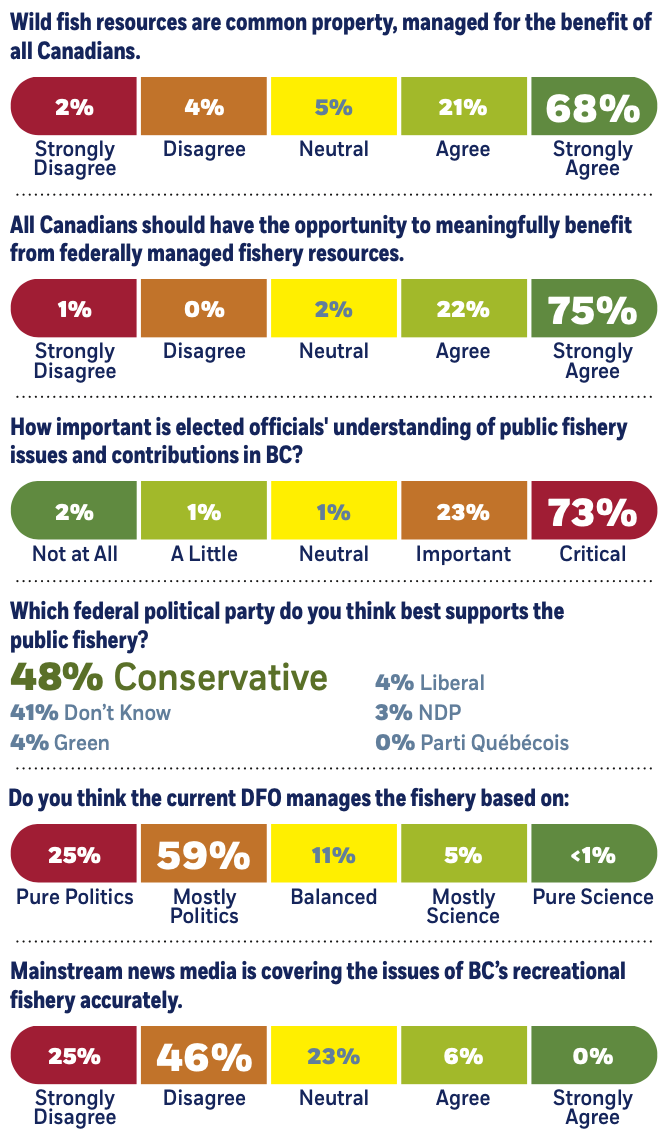
https://islandfishermanmagazine.com/coastal-bc-fisheries-management-survey-results/
Opinion: Demand DFO Discloses Their SRKW Data That Supports Closures
Opinion: DFO Staff Developing the SRKW Strategy Spend Little Time on the Water
Opinion: Fishermen Need to Speak Up About Southern Resident Killer Whales (SRKW)
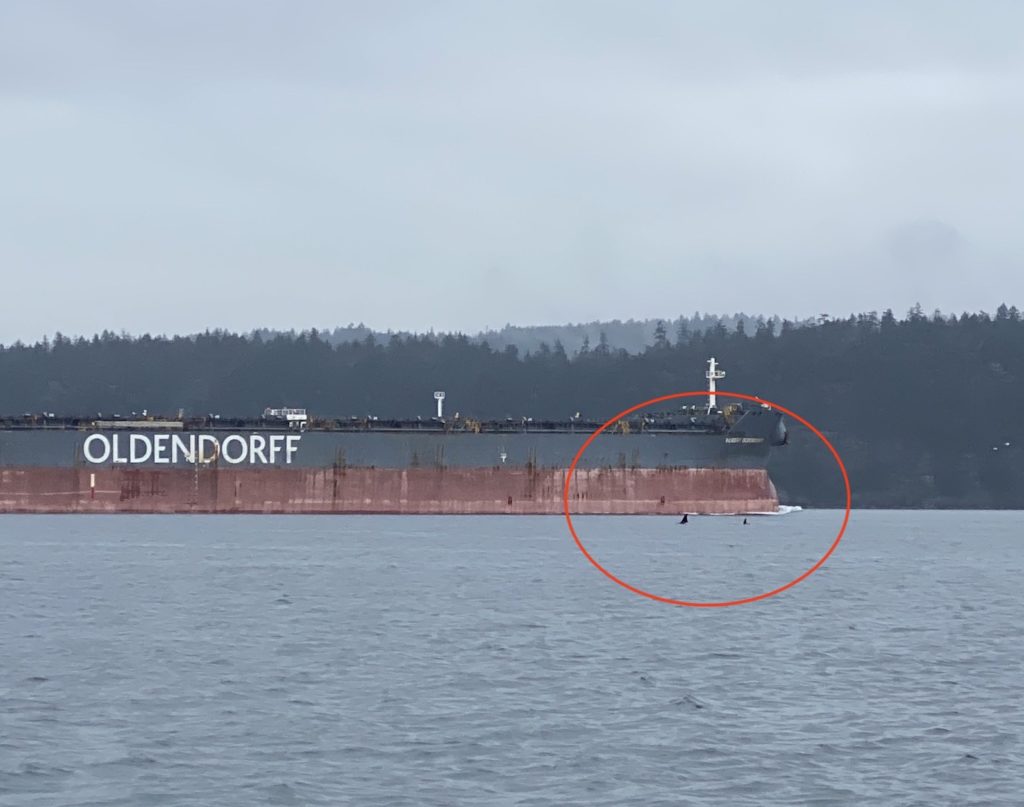
Freighter under power next to whales in Gulf Islands BC—”No problem here, right?” Photo: Kurt Irwin
What Can Anglers and Stakeholders Do?
First off, tell the DFO directly your thoughts by sending an email by October 31 to: [email protected]
Writing a letter to the DFO is fine, but that’s not enough and not how politics work. Nothing makes a bigger impact than an in-person meeting.
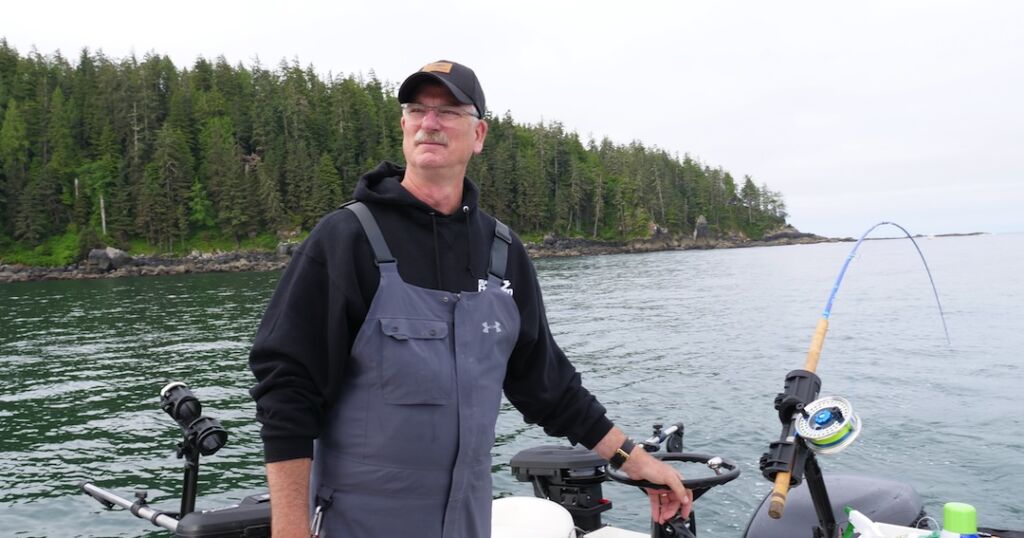
Pat Ahern, Last Cast Guiding and President of the West Coast Fishing Guide Association Photo: Joel Unickow
Pat Ahern is the head of the West Coast Fishing Guide Association (WCFGA), and he suggested, “If you are invested in sportfishing for your livelihood, or it’s part of your culture, like fishing with your kids on the weekend for your dinner, then set up an appointment with your local MP for a 15-min meeting to tell them what sport fishing means to you, and ask them the simple question—What are you going to do about this? They work for you, so make them aware of your own impact. The more people that do this, the more they will have to talk about this in Ottawa.”
A list of your local BC MPs are here.
Also, attend your local Sport Fishery Advisory Committee (SFAC) Meetings. Some of these are even virtual.
If sport fishing is part of your culture and/or livelihood, book that meeting. A decision won’t be made until early 2026.
Southern Resident Killer Whale Management Measures IMAG-TWGs September 17 2025 PPNT Deck